Links below are affiliate links. We earn a commission on purchases at no extra cost to you.
Golden Braided Challah: Treasured Family Recipe
Crafted with love and tradition, this golden braided challah recipe promises pillowy perfection that will transform your family table.
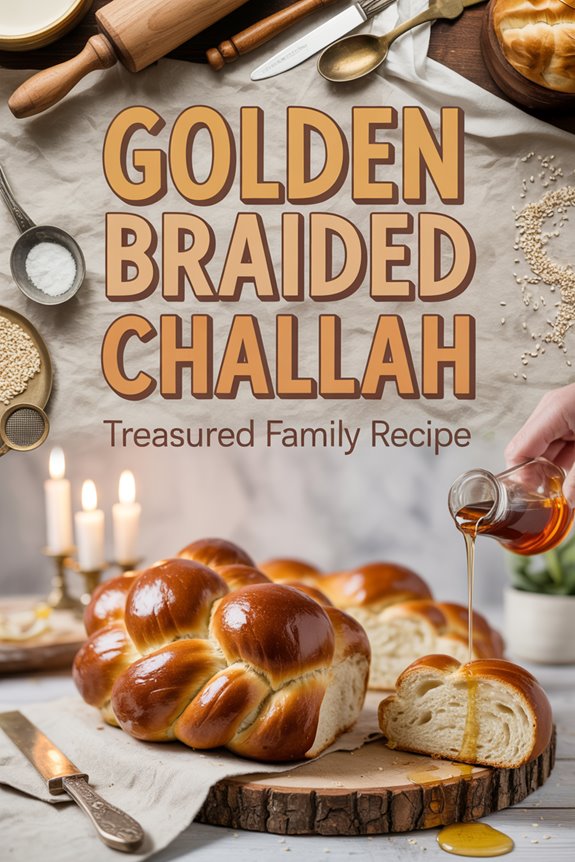
Why You’ll Love this Sweet Jewish Challah
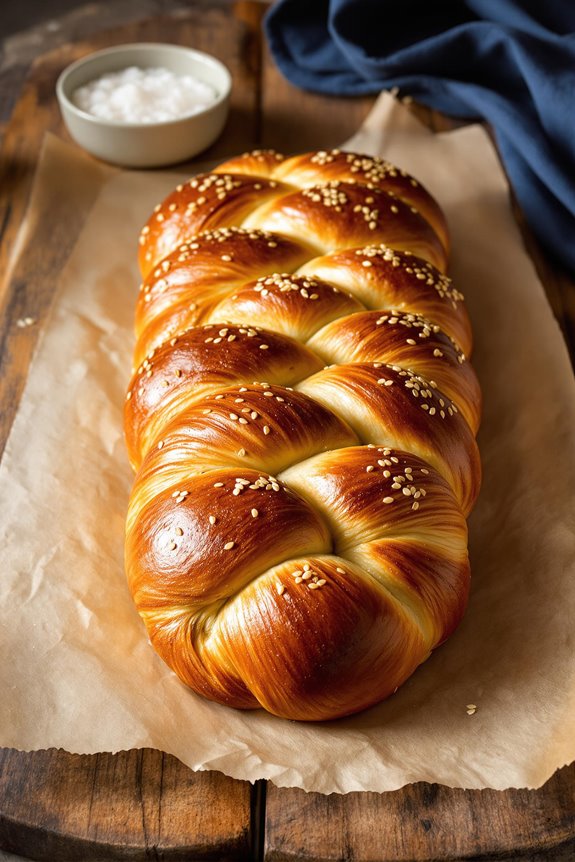
Tradition in every bite! This golden-braided challah isn’t just bread—it’s a centerpiece that’ll transform your table with its shiny, amber crust and pillowy interior.
You may be interested
Creamy Au Gratin Potatoes: Cheesy Family Comfort Recipe
February 17, 2026
Creamy Family-Favorite Mac & Cheese Recipe
July 23, 2026
Family-Style Tender Braised Swiss Steak Recipe
March 23, 2026
You’ll appreciate how the dough feels under your hands as you knead it to silky perfection, a therapeutic process that connects you to centuries of Jewish baking tradition.
The balance of sweetness is sublime—just enough sugar to enhance without overwhelming. When you tear into a warm slice, the aroma of fresh-baked goodness will envelop your kitchen.
Trust me, mastering that six-strand braid might take practice, but even “rustic” versions taste divine!
What Ingredients are in Sweet Jewish Challah?
Traditional challah isn’t just any bread—it’s a special, enriched dough that combines simple pantry staples to create something truly magnificent. The combination of eggs, oil, and sugar gives this bread its characteristic golden color and tender, slightly sweet crumb that pulls apart in satisfying, pillowy strands.
Each ingredient plays a vital role in creating that distinctive challah texture and flavor we all crave at the Shabbat table.
- 1 cup warm water (divided into two ½-cup portions)
- 2 tablespoons vacuum packed dry yeast
- 1½ tablespoons sugar (1 tablespoon for activating yeast plus ½ cup for dough)
- ½ cup vegetable oil
- 2 teaspoons salt
- 2 eggs (plus extra for egg wash before baking)
- 5 cups all-purpose flour
- Optional: poppy seeds or sesame seeds for topping
The quality of your ingredients really matters when making challah. Fresh yeast guarantees a good rise, while using unbleached flour can give a more robust flavor.
Some bakers swear by adding a touch of honey instead of some of the sugar, which lends a deeper sweetness and helps with browning. For special occasions, you might consider adding raisins or chocolate chips to the dough, or even a sprinkle of cinnamon.
And don’t skip that egg wash before baking—it’s what gives challah its signature glossy, golden-brown crust that makes everyone at the table reach for a piece before you’ve even had a chance to say the blessing.
How to Make this Sweet Jewish Challah
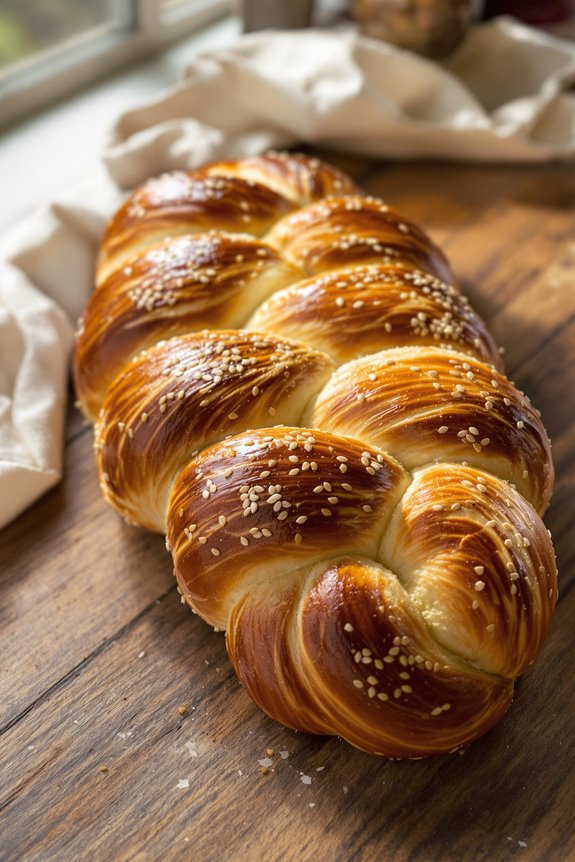
To make this gorgeous golden challah, start with a large metal or glass bowl (plastic won’t work as well here) and pour in 1/2 cup of warm water. Sprinkle 2 tablespoons of vacuum-packed dry yeast over the water, then add 1 tablespoon of sugar.
You’ll want to wait a few minutes for the magic to happen—the yeast should start foaming and bubbling, which means it’s alive and ready to do its job. Now add another 1/2 cup of warm water, 1/2 cup of oil, 2 teaspoons of salt, 2 eggs, and 1/2 cup of sugar. Mix everything thoroughly with a wooden spoon until well combined.
Time to add 5 cups of flour to create your dough. Mix it in, then roll up your sleeves and knead that dough thoroughly for a couple of minutes. Your arms might get a little tired, but think of it as a mini workout while baking!
Once kneaded, remove the dough from the bowl, wipe the bowl clean, and oil it lightly. Return the dough to the bowl and flip it over so it gets a light coating of oil all around. Cover the bowl with a towel and let it rest for a couple of hours—patience is key here. The dough needs time to at least double in volume, at which point you’ll punch it down (my favorite part, honestly).
Now comes the fun part—braiding the dough! Form your braids, place them on baking paper, cover again, and allow the dough to rise once more.
Before baking, brush the top with egg wash for that signature golden shine, and if you’re feeling fancy, sprinkle with poppy or sesame seeds. Pop your beautiful creation into a 325°F oven for about 25 minutes until perfectly golden brown.
The smell that fills your kitchen will be absolutely divine—warm, yeasty, and slightly sweet. Perfect for Shabbat dinner or any special occasion when you want to impress with homemade bread. For an extra smooth and lump-free dough, consider using a premium potato ricer to thoroughly mash any ingredients that might need it.
Recommended Products

MEDIUM SIZE CHALLAH: Approximate Size length 9" Width 5" depth 3"
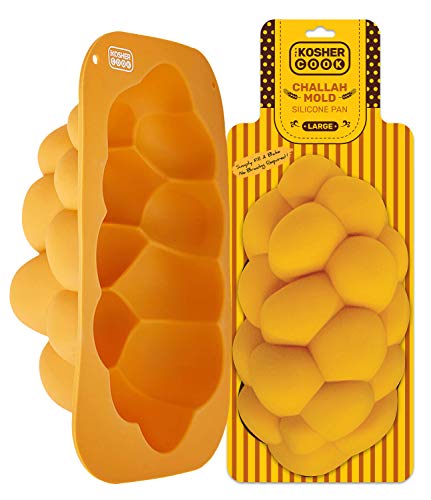
PERFECT SIZE: Approximate Challah Size: 12.5" (32cm) Length, 6" (15cm) Width 4" (10cm) Depth . THIS MAKES A LARGE CHALLAH. If you want a different size Challa search for other sizes challah molds.

PERFECT SIZE: Approximate Challah Roll Size: 3.5" (9cm) Length, 4" (10cm) Width, 2.5" (6cm) Depth . THIS MAKES 4 SMALL CHALLAH ROLLS. If you want a different size Challa search for other sizes challah molds.
Sweet Jewish Challah Substitutions and Variations
While mastering the classic challah recipe opens the door to beautiful braided loaves, I’m excited to share some creative substitutions and variations that can transform this beloved Jewish bread.
Try swapping half the white flour for whole wheat for a nuttier, more rustic loaf. You can also fold in raisins, dried cranberries, or chocolate chips (about ½ cup) before braiding for delightful surprises in each slice.
For a savory twist, sprinkle everything bagel seasoning instead of poppy seeds on top—it’s absolutely game-changing!
During Rosh Hashanah, I’d recommend shaping your dough into a spiral to symbolize the cyclical nature of the year.
Recommended Products
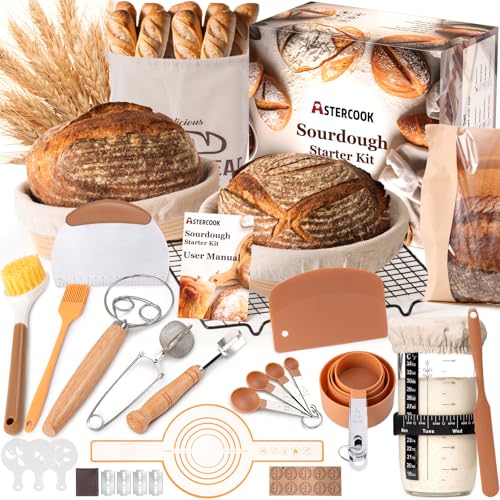
【All in One Sourdough Starter Kit】 Unlike basic sourdough proofing basket sets, this complete kit includes everything. You get a 9” round and a 10” oval banneton basket, bread sling, starter jar, scrapers, stencils, measuring tools, cooling rack, bread bags, and more. It covers every step from feeding your starter to baking and sharing.
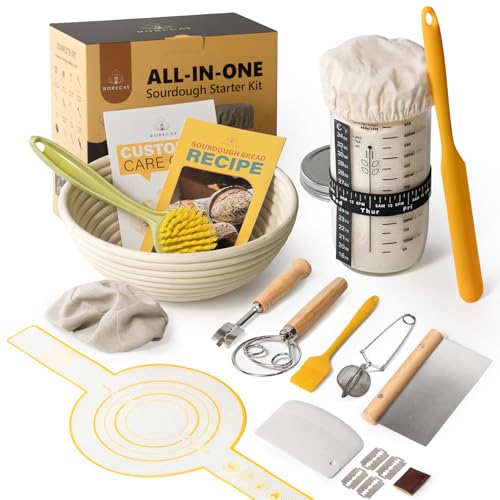
The All-in-One Sourdough Kit for Beginners: Never worry about missing tools again. As a beginners starting your sourdough journey. Our sour dough tools set has every tool you need for homemade bread baking, including a starter glass Jar, 9" round rattan banneton bread proofing basket, dough cutter, flour duster, cleaning brush, bread sling, bread lame, 5 blades, bowl scraper, silicone brush, dough whisk, linen cover, user manual & recipes. It seamlessly supports your entire sourdough journey.

Start baking with a sourdough starter kit right out of the box: This sourdough kit includes banneton proofing basket, sour dough starter jars, and essential sourdough tool—13 pieces total for easy homemade bread
What to Serve with Sweet Jewish Challah
Wondering how to create the perfect meal around your freshly baked challah? This golden, braided bread shines as the centerpiece of so many beautiful meals.
I love pairing it with a hearty brisket, slow-cooked until it falls apart with just the touch of a fork. For Shabbat dinners, serve alongside a fragrant matzo ball soup and roasted vegetables drizzled with olive oil and herbs.
Don’t forget that challah makes extraordinary French toast the next morning—thick slices soaked in vanilla-scented egg mixture, then fried to golden perfection.
The possibilities are endless with this versatile bread!
Recommended Products
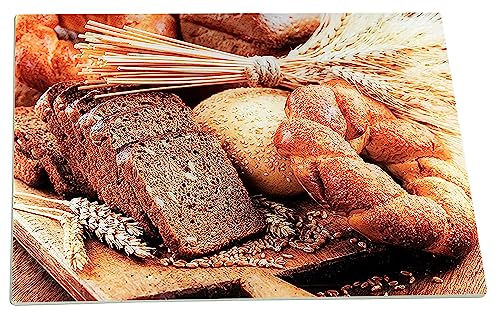
SHABBAT SERVING TRAY: Beautify your Shabbos table with an elegant glass tray to serve bread or any other dishes. It can also be used as a tray to hold your Shabbat candles and candlesticks.
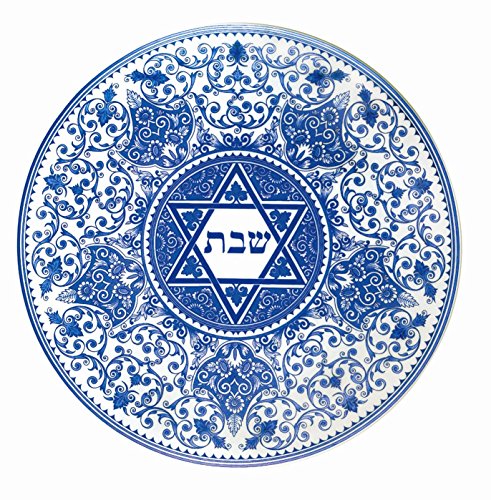
Elegant Sabbath Presentation: Measuring 11.5 inches, this round porcelain tray is ideal for serving Challah bread on the Sabbath or Jewish holidays, enhancing the ambiance of your religious meals.

SHABBAT SERVING TRAY: Beautify your Shabbos table with an elegant glass tray to serve bread or any other dishes. It can also be used as a tray to hold your Shabbat candles and candlesticks.
Final Thoughts
As you perfect your challah-making skills, you’ll discover that this isn’t just bread—it’s a tradition woven into countless family gatherings and celebrations throughout history.
The moment you pull that golden, braided loaf from the oven, its sweet aroma filling your kitchen, you’re participating in something truly special.
I’ve found that patience makes all the difference—those rising times aren’t suggestions, they’re essential for that perfect texture.
Each loaf becomes slightly easier to shape, each braid a bit more uniform.