Links below are affiliate links. We earn a commission on purchases at no extra cost to you.
Homemade Venezuelan Arepas Recipe: Corn Comfort Bliss
Mastering Venezuelan arepas brings authentic corn bliss to your kitchen, but the secret to perfect texture lies in...
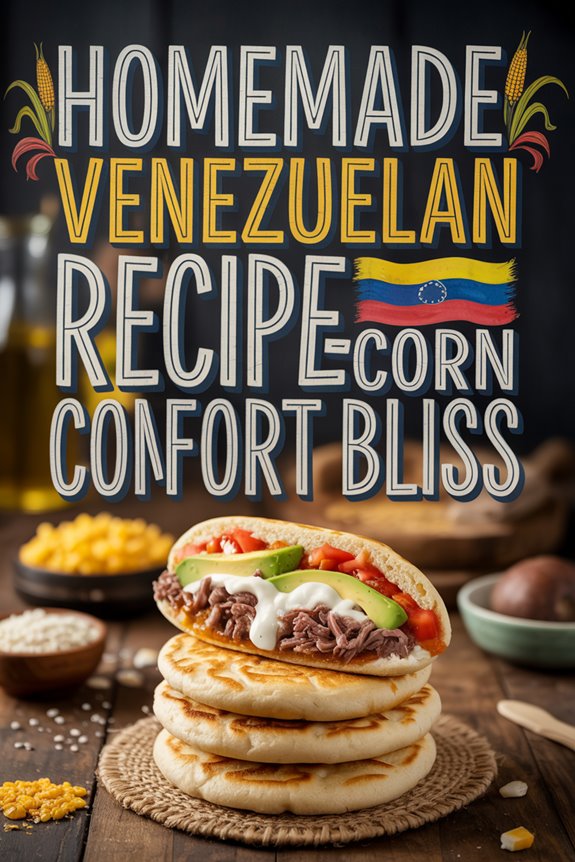
Why You’ll Love these Authentic Venezuelan Arepas
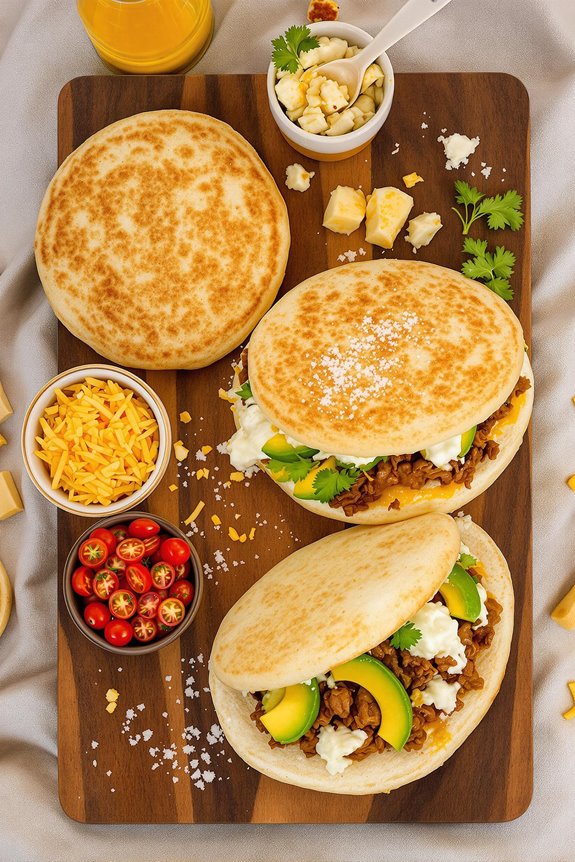
When you bite into a freshly made Venezuelan arepa, you’ll instantly understand why these golden corn cakes have captured hearts worldwide.
The crispy exterior gives way to a pillowy, warm center that’s just begging for your favorite fillings. I’m obsessed with how versatile these little pockets of joy are—stuff them with cheese, ham, avocado, or whatever your heart desires!
They’re naturally gluten-free, made with just cornflour, water, and salt, and the process of shaping them between your palms feels wonderfully therapeutic.
Trust me, you’ll feel like a culinary wizard creating these simple yet magnificent discs of comfort.
Recommended Products

Ultimate cooking versatility: Holstein Housewares Arepa Maker creates authentic arepas, pancakes, cookies, corn cakes, mini tortillas, and more, all in one appliance!

Venezuelan Arepa Flour design. Arepas colombianas and arepera venezolana is traditional food for an arepas maker for arepas de yuca. Arepas colombianas with arepas flour and arepas precocidas with food from Venezuela.

YOUR FAVORITES IN JUST MINUTES: Holstein Housewares Multi-Food Maker allows you to prepare 6 perfectly round and golden arepas, along with pancakes, cookies, corn cakes, mini tortillas and much more!
What Ingredients are in Authentic Venezuelan Arepas?
The beauty of Venezuelan arepas lies in their simplicity—just a few humble pantry staples transformed into something magical. These golden corn cakes require minimal ingredients but deliver maximum flavor and versatility. The dough comes together quickly with just three main components, making it perfect for weeknight dinners or weekend brunches when you want something special without the fuss.
- 3 cups pre-cooked cornflour (specifically Harina P.A.N. brand, if possible)
- 4 cups water (lukewarm or cold)
- 1 teaspoon salt
- Vegetable oil (for cooking)
When shopping for ingredients, the cornflour deserves special attention—look specifically for pre-cooked cornmeal labeled “masa arepa” or “harina precocida.” Regular cornmeal or masa harina for tortillas won’t work the same way.
The Harina P.A.N. brand is widely considered the gold standard for authentic arepas, but other pre-cooked cornflour brands can work in a pinch.
And while the basic arepa recipe is incredibly straightforward, remember that the real fun comes with the fillings—cheese, avocado, beans, shredded meat, or whatever your heart desires can transform these simple corn cakes into a complete meal.
Recommended Products

THE MOST POPULAR WHITE CORN MEAL – Pre-cooked white corn meal P.A.N. from Empresas Polar is made with 100% selected White Corn which allows to obtain a soft dough ideal for the preparation of traditional Latin-American dishes. It has become one of the most popular and cherished brands of pre-cooked cornmeal

THE MOST POPULAR WHITE CORN MEAL – NOW EVEN HEALTHIER: P.A.N. from Empresas Polar has become one of the most cherished brands of pre-cooked white corn meal – an essential product in every homes ! Our new presentation, Whole Grain Corn Meal, is naturally low in sodium and cholesterol and a great alternative for people who want to eat the traditional recipes made with precooked white cornmeal, but in an even healthier way

100% CORN: Doñarepa White Corn Meal, made from the starches of corn grains 100% natural and subjected to a process of cleaning, extraction of the germ, pre-cooking and grinding, which make Doñarepa the best option of precooked flour corn for your preparations.
How to Make these Authentic Venezuelan Arepas
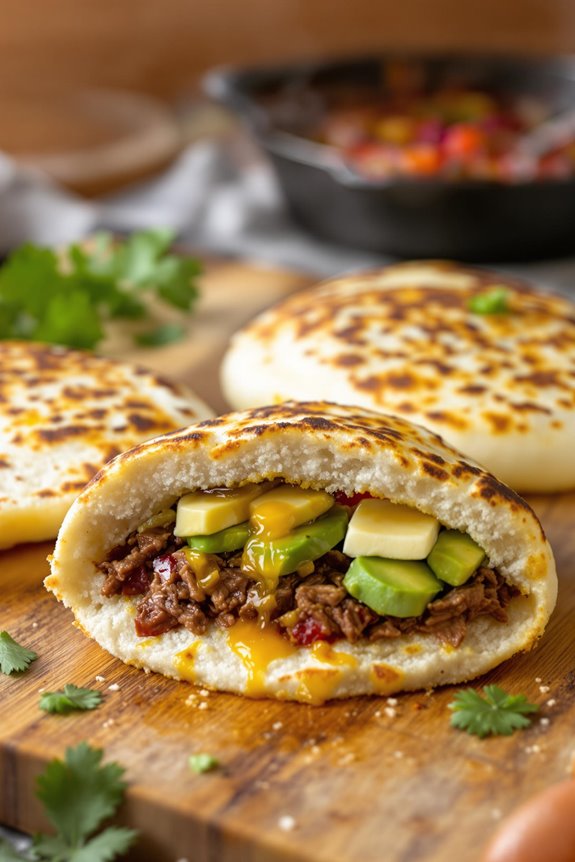
Making arepas starts with the perfect dough, which is surprisingly simple. Begin by taking a bowl and adding 4 cups of water (either lukewarm or cold works fine) along with 1 teaspoon of salt. Mix these well before gradually incorporating 3 cups of cornflour (specifically Harina Pan) with your fingers using a circular motion. This gradual addition is vital for preventing those pesky lumps that nobody wants in their arepas.
The texture should feel somewhat like wet sand that holds together when you squeeze it—not too dry, not too wet. Let this mixture rest for exactly 5 minutes, giving the cornflour time to fully absorb the water.
Now comes the fun part—shaping your arepas. With slightly damp hands, grab a portion of dough about the size of a baseball and roll it into a ball. Then, press and pat it between your palms until you form a disc about 2 inches thick.
Wonder why your homemade arepas never turn out like the ones in Venezuelan restaurants? The secret’s in the patting technique—firm but gentle. To cook them, heat up an iron skillet with a bit of vegetable oil, then place your shaped arepas on the hot surface. They’ll need a few minutes on each side until they develop that beautiful golden crust. Flip carefully (those babies are hot) and repeat on the other side.
The final step takes place in the oven, where the magic really happens. Once both sides are nicely toasted, transfer your arepas to an oven preheated to 350 degrees for about 20-30 minutes. This vital step guarantees they cook through completely, creating that signature crispy exterior while maintaining a soft, steamy interior.
When they’re done, the possibilities are endless. Slice them open (like a pita pocket) and stuff with butter, cheese, ham, shredded beef, avocado—whatever your heart desires. Some days I go simple with just cheese, other days I pile on everything in my fridge. That’s the beauty of arepas—they’re fundamentally delicious edible plates waiting for your creative toppings. For the best results when cooking arepas, investing in premium cookware sets can make a significant difference in heat distribution and overall cooking performance.
Recommended Products

THE MOST POPULAR WHITE CORN MEAL – Pre-cooked white corn meal P.A.N. from Empresas Polar is made with 100% selected White Corn which allows to obtain a soft dough ideal for the preparation of traditional Latin-American dishes. It has become one of the most popular and cherished brands of pre-cooked cornmeal

The Perfect Multi-Grain Flour for Arepas and More – P.A.N. Multi Grains & Seeds Mix is crafted with a premium blend of pre-cooked white cornmeal, black chia seeds, toasted sesame seeds, and red quinoa grains. This gluten-free mix offers a deliciously healthy base for arepas, tacos, cornbread, and other Latin American favorites. Made from 100% selected ingredients to provide the perfect dough for any recipe.

THE MOST POPULAR YELLOW CORN MEAL – Pre-cooked yellow corn meal P.A.N. from Empresas Polar is made with 100% selected Yellow Corn which allows to obtain a soft dough ideal for the preparation of traditional Latin-American dishes. It has become one of the most popular and cherished brands of pre-cooked cornmeal
Authentic Venezuelan Arepas Substitutions and Variations
While traditional Venezuelan arepas call for Harina PAN (pre-cooked white cornmeal), you’ll occasionally find yourself needing substitutions that won’t compromise the authentic experience.
If you’re in a pinch, masarepa or masa harina can work, though the texture will be slightly different. For a modern twist, I’ve seen people incorporate grated cheese directly into the dough—creating a more indulgent arepa with pockets of melty goodness.
You can also play with toppings beyond the classics.
Try avocado and black beans for a vegetarian option, or crispy pork with pickled onions for something truly decadent.
Recommended Products
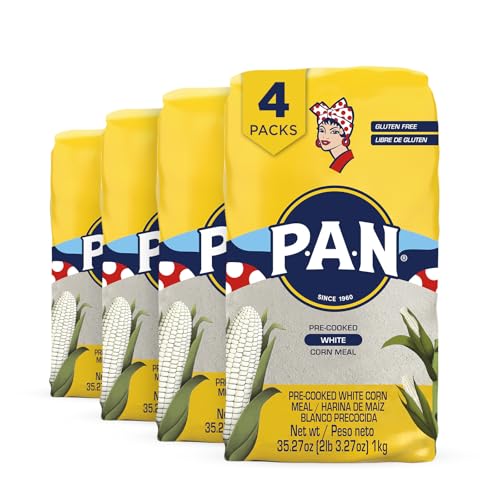
THE MOST POPULAR WHITE CORN MEAL – Pre-cooked white corn meal P.A.N. from Empresas Polar is made with 100% selected White Corn which allows to obtain a soft dough ideal for the preparation of traditional Latin-American dishes. It has become one of the most popular and cherished brands of pre-cooked cornmeal

THE MOST POPULAR WHITE CORN MEAL – NOW EVEN HEALTHIER: P.A.N. from Empresas Polar has become one of the most cherished brands of pre-cooked white corn meal – an essential product in every homes ! Our new presentation, Whole Grain Corn Meal, is naturally low in sodium and cholesterol and a great alternative for people who want to eat the traditional recipes made with precooked white cornmeal, but in an even healthier way

The Perfect Multi-Grain Flour for Arepas and More – P.A.N. Multi Grains & Seeds Mix is crafted with a premium blend of pre-cooked white cornmeal, black chia seeds, toasted sesame seeds, and red quinoa grains. This gluten-free mix offers a deliciously healthy base for arepas, tacos, cornbread, and other Latin American favorites. Made from 100% selected ingredients to provide the perfect dough for any recipe.
What to Serve with Authentic Venezuelan Arepas
Now that you’ve mastered your arepa technique, let’s consider what to pair with these golden corn cakes to create a truly memorable Venezuelan dining experience.
I always recommend starting with traditional fillings like shredded beef (carne mechada), black beans with queso fresco, or my personal favorite, creamy avocado with a sprinkle of salt.
For sides, nothing complements arepas better than a tangy tomato-onion salad dressed with lime juice, or crispy tostones (fried plantains) with garlic mojo sauce.
Complete your spread with a revitalizing batido (fruit smoothie) or a cold Polar beer—Venezuela’s beloved brew that cuts through the richness perfectly.
Recommended Products
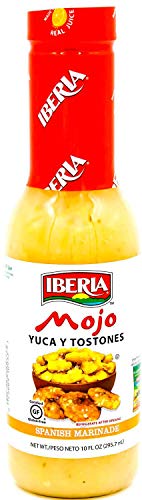
The ideal sauce for yuca or tostones
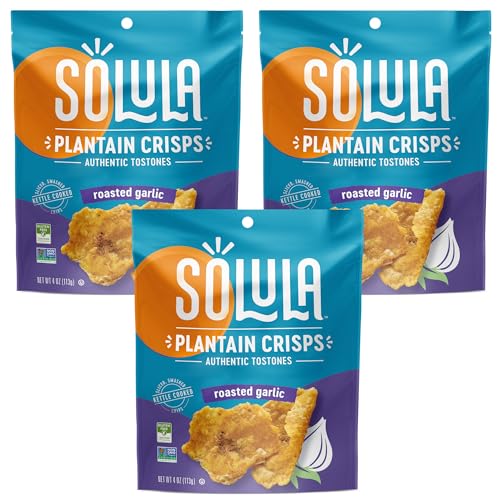
Contains 3 - 4 ounce bags of Solula Roasted Garlic Crispy Plantain Crisps. Made using an authentic, traditional recipe to create a more flavorful and more satisfying chip

Boldly crisp, naturally better: Crafted from premium green plantains, our tostones deliver an unreal crunch with real ingredients—no weird stuff, just pure, crispy goodness.
Final Thoughts
As I’ve guided you through this arepa-making journey, I’ve come to appreciate the beautiful simplicity of this cornerstone of Venezuelan cuisine.
The magic happens when your fingers work that cornmeal into a pliable dough, transforming basic ingredients into something extraordinary. There’s something deeply satisfying about the sizzle when the arepa first hits that hot, oiled skillet—a promise of the crispy exterior and tender interior to come.
Whether stuffed with melty cheese or savory meats, arepas offer endless possibilities for creativity.
They’re not just food; they’re vessels for culinary expression and cultural connection at your table.