Links below are affiliate links. We earn a commission on purchases at no extra cost to you.
Savory Thai Pad See Yew Noodle Recipe
Savory Thai Pad See Yew combines caramelized rice noodles with umami-rich sauces—but the secret to its irresistible flavor might surprise you.
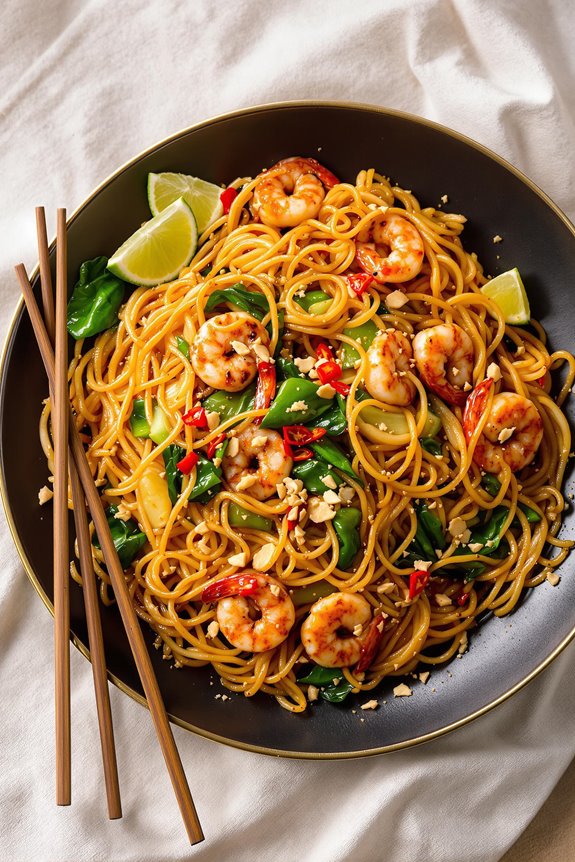
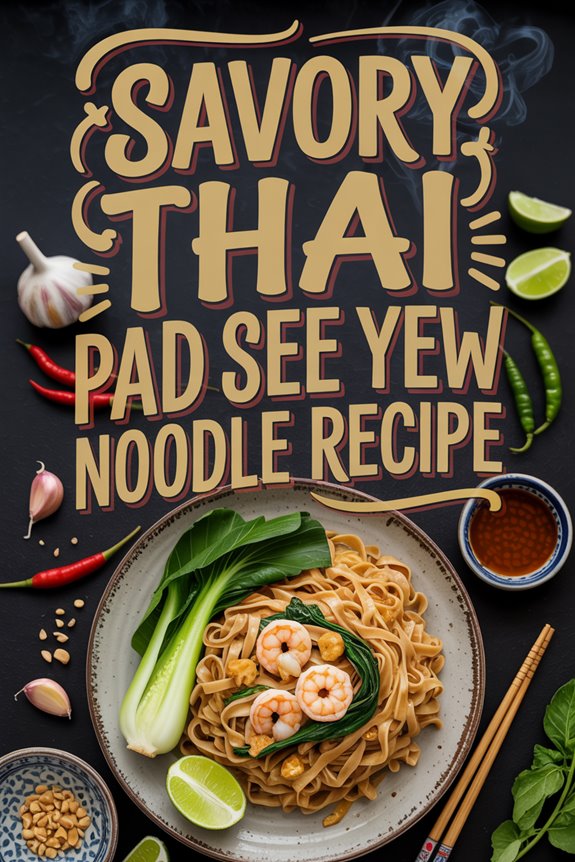
Why You’ll Love this Thai Pad See Yew
Comfort in a bowl, that’s what this authentic Pad See Yew delivers with every savory, slightly sweet bite.
You may be interested
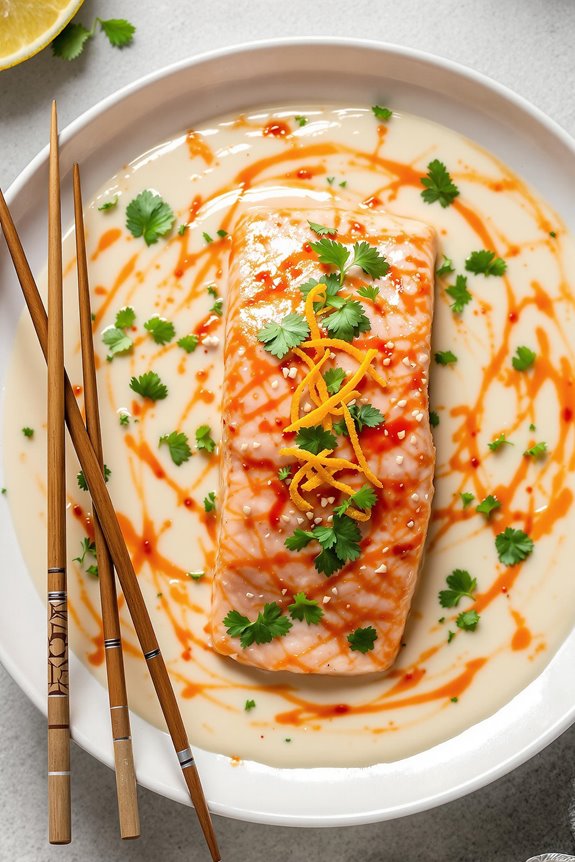
Exotic Coconut Salmon Recipe: A Thai Culinary Escape
April 24, 2026
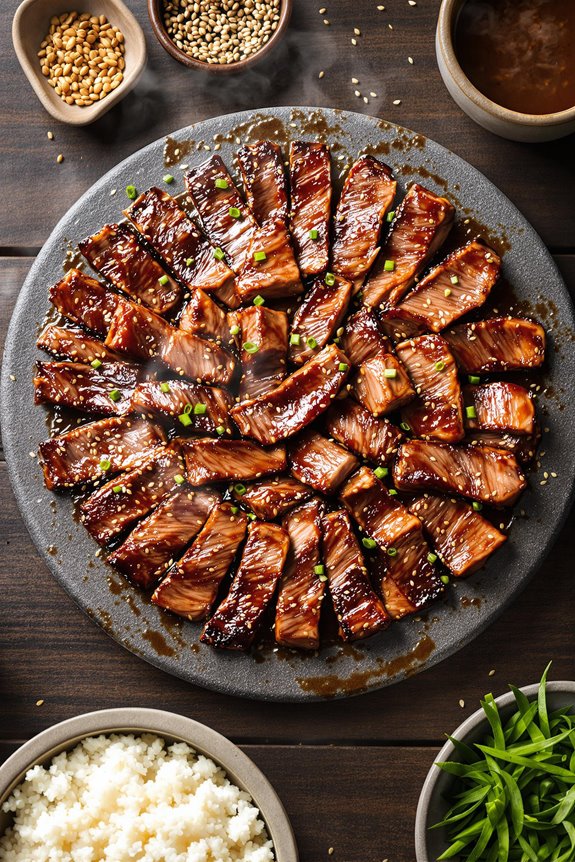
Sizzling Korean Bulgogi Recipe: Sweet-Savory Beef Bliss
October 3, 2025
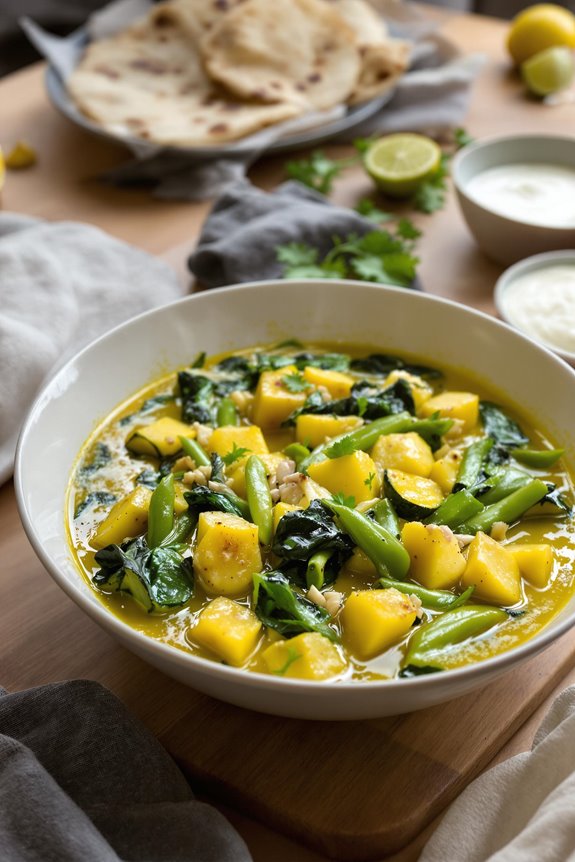
Soul-Warming Thai Green Curry Recipe From Scratch
July 28, 2026
I’m convinced you’ll adore how the wide rice noodles soak up that perfect balance of fish sauce, miso, and oyster sauce—creating that unmistakable umami that defines great Thai street food.
The caramelization that happens when the noodles brown slightly in the pan? That’s culinary magic that’s impossible to resist.
What really sets this recipe apart is its versatility.
Don’t have shrimp? Chicken works beautifully.
The combination of crisp bok choy and those chewy noodles creates textural heaven.
What Ingredients are in Thai Pad See Yew?
Pad See Yew is all about that perfect balance of savory, sweet, and umami flavors that make Thai cuisine so irresistible. The ingredient list might look a bit long at first glance, but most of these items are pantry staples for anyone who enjoys cooking Asian dishes at home. The combination of sauces creates that distinctive flavor profile that makes this dish so crave-worthy, while the fresh components bring texture and brightness to balance everything out.
- 2/3 pound dried rice noodles
- 1 pound bok choy, cut into 2-inch pieces
- 3/4 pound medium shrimp, shelled and deveined
- 3 large eggs, beaten
- 1/4 cup low-sodium soy sauce
- 3 tablespoons Asian fish sauce
- 1 tablespoon miso or fermented yellow beans
- 1 tablespoon oyster sauce
- 4 teaspoons sugar
- 1/4 cup plus 3 tablespoons vegetable oil
- 4 large garlic cloves, minced
- 3 Thai bird chiles or serrano chilies, thinly sliced
- 2 tablespoons chopped roasted salted peanuts
- Lime wedges, for serving
- Salt, to taste
When shopping for these ingredients, the quality of your sauces will make a real difference in the final dish. Look for fish sauce without added MSG and real oyster sauce (not the artificial kind) if possible. Can’t find Thai bird chiles? Serrano peppers work beautifully as a substitute, or even red pepper flakes in a pinch. And while shrimp is traditional in this recipe, feel free to swap in thinly sliced chicken, beef, or even tofu for a vegetarian version—the flavorful sauce will still make everything delicious.
How to Make this Thai Pad See Yew
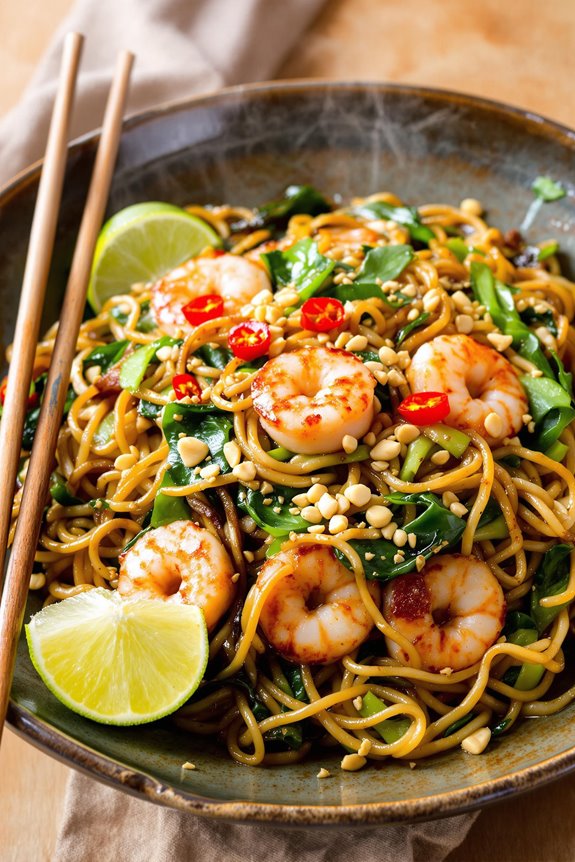
Making this savory dish starts with creating the perfect sauce mixture. In a bowl, combine 3 tablespoons of Asian fish sauce, 1 tablespoon of miso (or fermented yellow beans), 1 tablespoon of oyster sauce, 4 teaspoons of sugar, and 1/4 cup of low sodium soy sauce. This creates the rich, umami foundation that makes Pad See Yew so irresistible. Who doesn’t love that perfect balance of salty, sweet and savory? Using a premium Mediterranean cookware set can enhance the flavor development in this traditional Thai dish.
Next, you’ll prepare your noodles and vegetables. Bring a large pot of lightly salted water to a boil and cook 1 pound of bok choy for about 2 minutes until crisp-tender, then set aside. In the same water, cook 2/3 pound of dried rice noodles for about 5 minutes until they’re firm but pliable. After draining and rinsing them under cold water, toss the noodles with 1 tablespoon of vegetable oil.
Now for the protein—heat 1 tablespoon of oil in a large nonstick skillet and cook 3/4 pound of shrimp until pink, about 2 minutes. The real magic happens when you heat the remaining oil, sauté 4 minced garlic cloves briefly, scramble 3 large eggs, and then add the noodles and sauce mixture. Let everything cook undisturbed until the liquid nearly evaporates and the noodles get that beautiful caramelization on the bottom.
Return the shrimp and bok choy to heat through, then serve your masterpiece sprinkled with sliced Thai bird chiles and 2 tablespoons of chopped peanuts, with lime wedges on the side for that perfect finishing touch.
Recommended Products

Enjoy cooking restaurant-quality Thai food at home with this kit from Lobo

TRUE TO THAILAND - Our Pad Thai Rice Noodles are made using traditional methods from heirloom brown rice to create nutritious noodles rich in flavor

Easy-to-make noodle dish for quick homemade meals
Thai Pad See Yew Substitutions and Variations
Thai cuisine is all about flexibility and adaptability, which is why this Pad See Yew recipe welcomes so many wonderful substitutions.
If you can’t find bok choy, Chinese broccoli (gai lan) makes a perfect substitute, offering that same delightful crunch.
Don’t have fish sauce? Try a combination of soy sauce and a touch of anchovy paste.
For vegetarians, I’d recommend swapping the shrimp for extra-firm tofu or tempeh, which absorbs all those savory flavors beautifully.
Rice noodles can be replaced with egg noodles in a pinch, though the texture will be slightly different.
The beauty of this dish lies in its forgiving nature!
Recommended Products

Similar to molasses' flavor and consistency, it is viscous and sweet.

Pad Thai, Pad See Ew, Drunken, Rice Flakes, Ho Fun, Chow Fun Style

What to Serve with Thai Pad See Yew
Three fantastic accompaniments can transform your Pad See Yew from a simple noodle dish into a complete Thai feast.
I’m obsessed with starting with a light cucumber salad—just thinly sliced cucumbers, rice vinegar, a touch of sugar, and chili flakes. It’s that perfect palate-cleansing contrast to the rich noodles.
For drinks, nothing beats Thai iced tea with its creamy, orange-hued sweetness cutting through the savory umami flavors.
And don’t forget a side of crispy spring rolls! The textural contrast between the crunchy exterior and your chewy noodles creates that restaurant-quality experience right at home.
Recommended Products
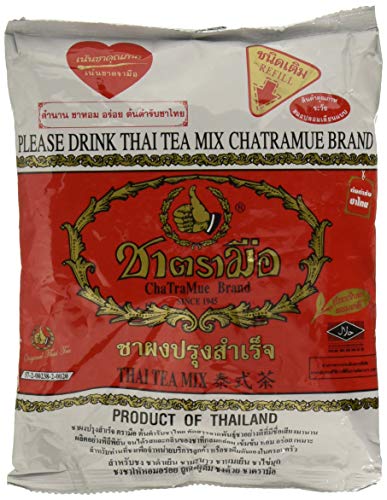
Original number one brand Thai iced tea mix established since 1945

Authentic Thai tea mix (blend of black tea and spices) which is boiled and used for making Thai Iced Tea in Thailand

<p>✅ORIGINAL THAI TEA - Number One Original Thai Tea Mix (Red-Label) is made from high quality tea, which is popular in Thailand, finely produced and blended by experienced tea masters to get uniquely mild and delightful taste with wonderful aroma that you can enjoy authentic Thai tea every day.</p>
Final Thoughts
While mastering the art of Pad See Yew might seem intimidating at first, I’m convinced that this beloved Thai street food deserves a permanent spot in your weeknight dinner rotation.
The harmonious balance of savory sauces, perfectly charred noodles, and crisp vegetables creates something truly magical in just minutes.
Don’t worry about getting it perfect the first time—each batch becomes more authentic as you learn to control the wok’s heat and timing.
The beauty lies in its adaptability; swap proteins, adjust spice levels, or experiment with different greens.
What matters is that smoky, caramelized finish that transports you straight to Bangkok’s bustling streets.