Links below are affiliate links. We earn a commission on purchases at no extra cost to you.
Golden Native American Fry Bread Recipe
From fluffy golden dough to crispy perfection, this Native American fry bread recipe transforms simple ingredients into a versatile canvas for endless toppings.
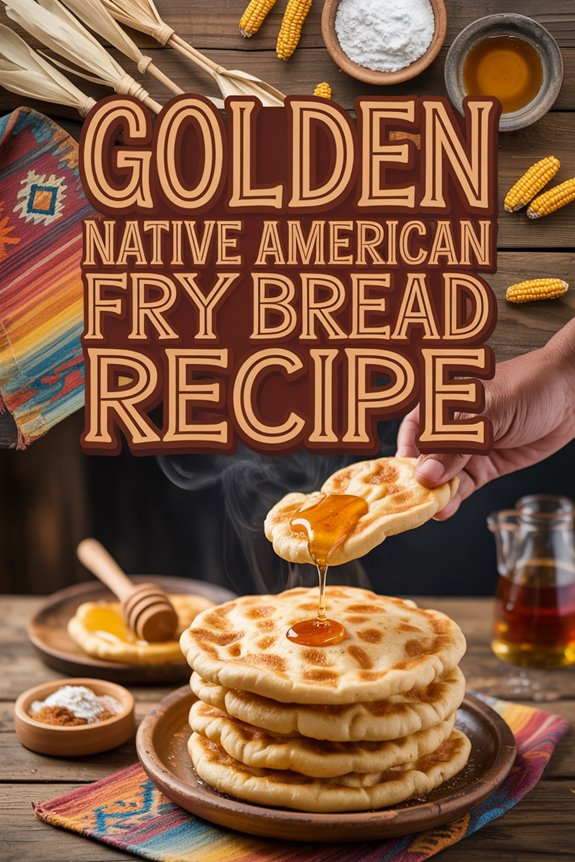
Why You’ll Love this Traditional Native American Fry Bread
Comfort and tradition combine beautifully in this authentic Native American fry bread recipe that I’m thrilled to share with you today.
You may be interested
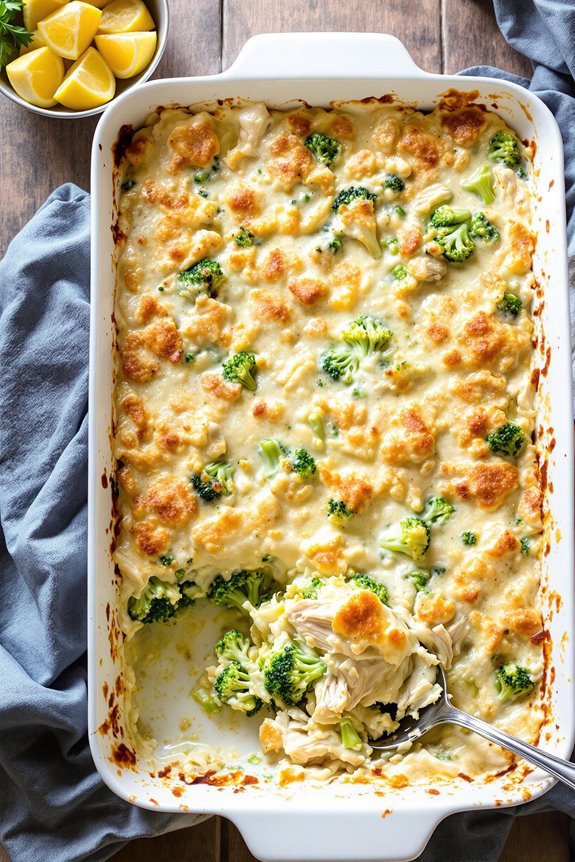
Creamy Homestyle Chicken Broccoli Casserole Recipe
October 16, 2025
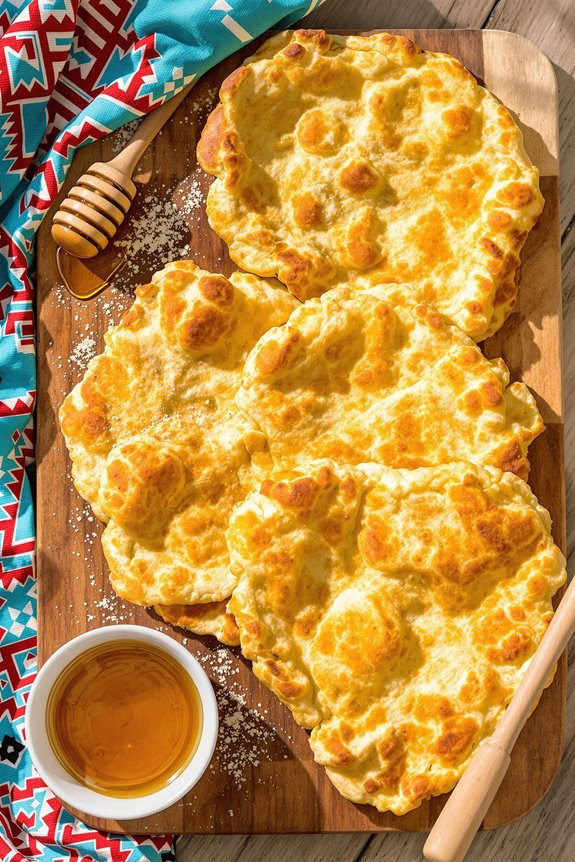
The golden, pillowy discs of bread, with their crispy exterior and soft, chewy center, offer the perfect canvas for both savory and sweet toppings.
You’ll adore how quickly the dough comes together—just flour, baking powder, salt, powdered milk, and warm water.
The magic happens when these simple ingredients hit the hot oil, puffing up dramatically (sometimes alarmingly so!) into a delicious treat that’s equally wonderful topped with hearty chili for Navajo tacos or simply drizzled with honey.
What Ingredients are in Traditional Native American Fry Bread?
Traditional Native American fry bread requires surprisingly few ingredients, which is part of its enduring appeal and accessibility. This humble bread has sustained generations of Indigenous peoples and continues to be a staple at powwows, family gatherings, and cultural celebrations across North America.
The beauty of fry bread lies in its simplicity—just a handful of pantry staples transform into something truly special when combined and fried to golden perfection.
- 4 cups all-purpose flour
- 1 tablespoon baking powder
- 1 teaspoon salt
- 2 tablespoons powdered milk
- 1½ cups warm water
- ½-1 cup oil or shortening (for frying)
While the recipe is straightforward, there are several factors worth noting about these ingredients. The quality of your flour matters—a good all-purpose flour will give you the right texture.
Some cooks prefer using shortening for frying because it creates a particular crispness to the exterior, while others choose vegetable oil for its cleaner flavor. The water should be warm but not hot enough to kill the leavening action of the baking powder.
And though not listed as an ingredient, patience is perhaps the most important element—allowing the dough to rest briefly before frying helps develop the perfect texture that makes fry bread so irresistible.
Recommended Products

CERTIFIED AUTHENTIC MADE/PRODUCED BY AMERICAN INDIANS. The Intertribal Argricultral Council has gifted us the seal that we are a certified product made by a Native American company. We take pride in what we do and proud of our Indigenous heritage.

AUTHENTIC NATIVE AMERICAN FLATBREAD — Indian Fry Bread is Montana's powwow staple: golden, puffy, crisp on the outside, tender inside. Bounty bottles a 16 oz mix so fry up Navajo Tacos, dessert sopapillas, or breakfast scones at home in 20 minutes.

How to Make this Traditional Native American Fry Bread
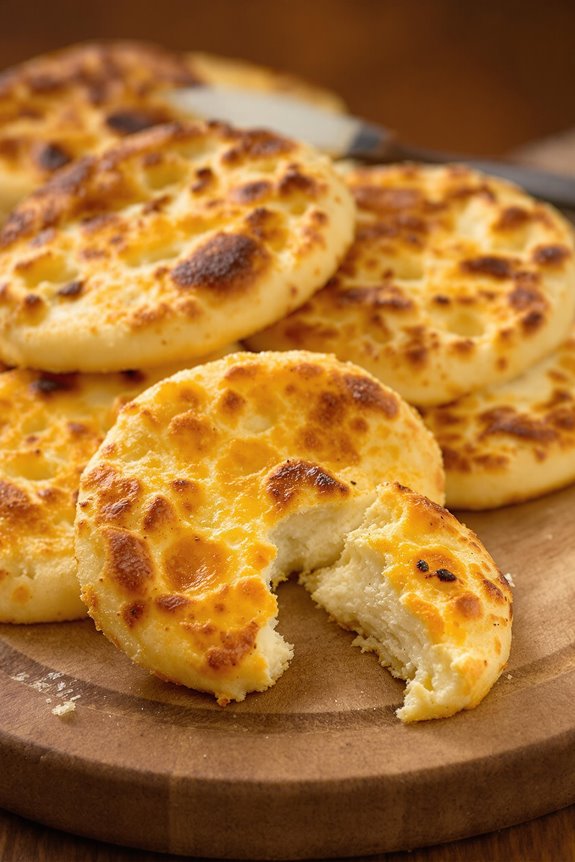
Making Native American fry bread is surprisingly simple, and the results are absolutely delicious. Start by combining your dry ingredients in a large bowl: 4 cups of flour, 1 tablespoon of baking powder, 1 teaspoon of salt, and 2 tablespoons of powdered milk. Mix these together thoroughly so all the leavening agents are evenly distributed.
Now comes the fun part—add 1½ cups of warm water to your dry mixture and knead until you’ve got a soft, pliable dough. The texture should be smooth but not sticky; think of it as slightly firmer than bread dough but softer than pizza dough.
Once your dough is ready, take small portions and shape them into balls about the size of your palm. Pat each ball back and forth between your hands, gently pulling the edges to create a flat, round shape. You’re aiming for discs about ¼-inch thick and 6-8 inches in diameter. Don’t worry if they’re not perfectly round—those irregular shapes give the bread character!
While you’re shaping the dough, heat ½ to 1 cup of oil in a deep skillet over medium-high heat. The oil is ready when a small piece of dough sizzles immediately upon contact. Carefully place your dough rounds into the hot oil, cooking each side until golden brown, about 2-3 minutes per side. The bread will puff up beautifully as it cooks, creating those signature air pockets that make fry bread so irresistible. For an even smoother consistency in your dough, consider using a premium potato ricer to mash any lumps that might form during mixing.
Traditional Native American Fry Bread Substitutions and Variations
While the classic recipe creates a delicious staple, you’ll find countless regional and family variations of Native American fry bread across different tribes and communities.
I’ve noticed some bakers substitute whole wheat flour for up to half the all-purpose flour, creating a heartier texture with nutty undertones. You can also replace the powdered milk with 1/4 cup of buttermilk (reducing water accordingly) for a subtle tang. For gluten-sensitive folks, a 1:1 gluten-free flour blend works surprisingly well—though the texture becomes slightly denser, it’s still wonderfully chewy. Beyond Navajo tacos, try sweet variations by sprinkling with cinnamon sugar while still warm, or drizzling with honey and chopped nuts.
Recommended Products

Gluten-free and Non-GMO, Effervesce combines Authenticity and Quality with Elegance and Prestige


Gluten-free and Non-GMO, Effervesce combines Authenticity and Quality with Elegance and Prestige
What to Serve with Traditional Native American Fry Bread
Because fry bread serves in this way a versatile canvas for flavors, I’ve found countless delicious pairings that complement its pillowy texture and subtle taste.
The classic Navajo taco remains my favorite—simply layer your warm, golden fry bread with hearty chili, sharp cheddar, crisp lettuce, and juicy tomatoes. For added dimension, a dollop of cool sour cream, briny sliced olives, and the bite of green onions creates perfection.
Don’t limit yourself to savory options! Sweet variations shine when you slather hot fry bread with butter and honey, your favorite jam, or—for the ultimate indulgence—creamy peanut butter that melts deliciously into the warm dough.
Recommended Products


ELEVATE EVERY SLICE | Transform ordinary pizza into an authentic Italian-inspired experience with Runnin’ Wild Pizza Seasoning. Crafted with premium herbs, savory spices, and rich Parmesan cheese, this gourmet blend delivers bold, restaurant-quality flavor in every shake. From homemade pizza nights to artisan flatbreads, every bite tastes better.

Maille and Mike's Hot Honey come together to create a special edition condiment: Hot Honey Dijon Mustard
Final Thoughts
As I reflect on Native American fry bread, its cultural significance extends far beyond being just a delicious recipe. It represents resilience, adaptation, and community—qualities we can all appreciate while enjoying its warm, pillowy texture.
The versatility is what makes this bread so special, whether topped with savory chili and cheese for Navajo tacos or simply drizzled with honey for a sweet treat.
I’m always amazed how simple ingredients—flour, baking powder, salt, powdered milk, and water—transform into something so meaningful and satisfying.
There’s something profoundly connecting about preparing foods that have nourished generations before us.