Links below are affiliate links. We earn a commission on purchases at no extra cost to you.
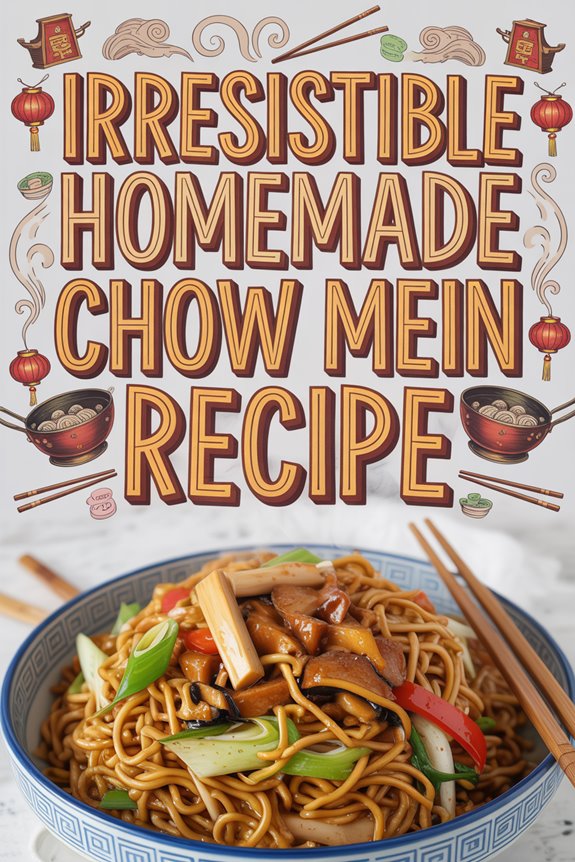
Irresistible Homemade Chow Mein Recipe
Journey into creating the perfect chow mein at home with simple ingredients that transform into a restaurant-quality dish everyone will crave.
Why You’ll Love this Savory Homemade Chow Mein
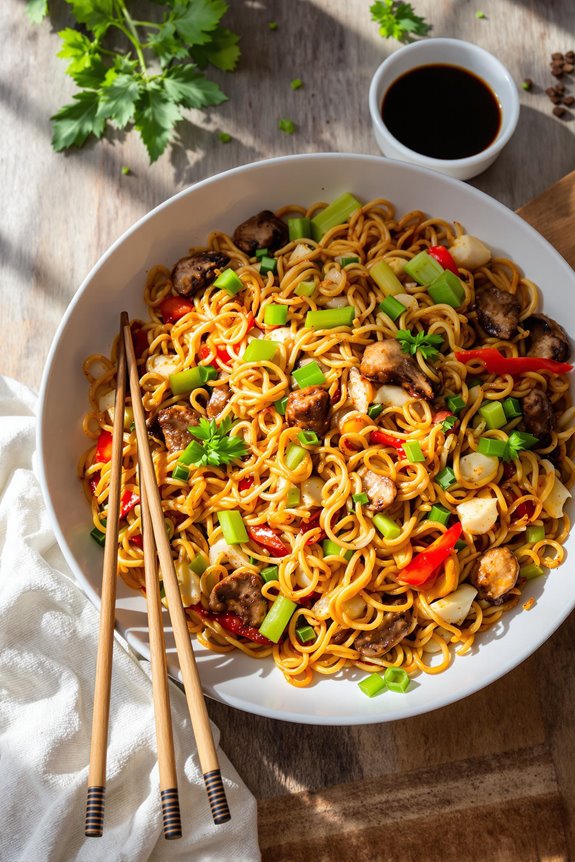
If you’ve been ordering takeout chow mein regularly, you’ll be amazed at how simple and satisfying it’s to create this classic dish in your own kitchen. The combination of crisp vegetables, tender meat, and perfectly cooked noodles creates a symphony of textures that just can’t be matched by delivery.
You may be interested

Heartwarming Homemade Pumpkin Soup Recipe
February 3, 2026
Hearty Bacon & Beef Chili Recipe: Homemade Comfort
September 7, 2025
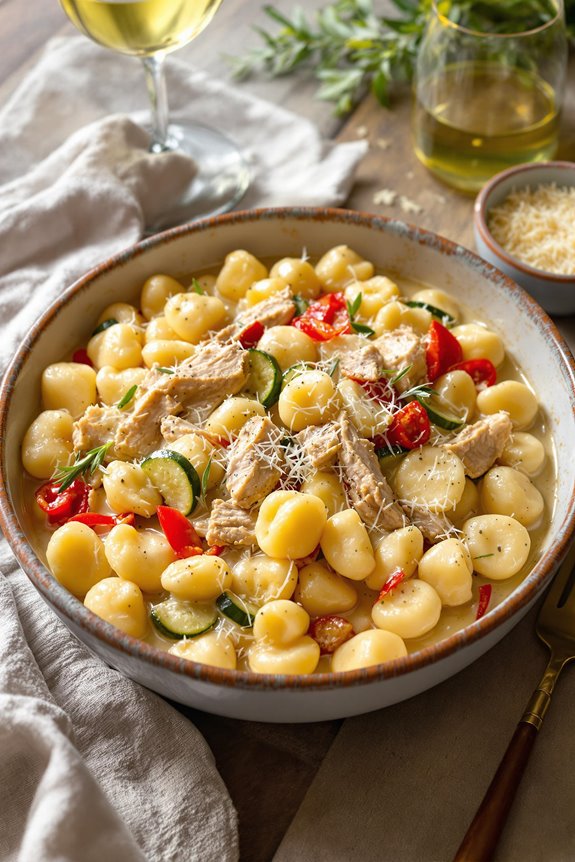
Irresistible Homemade Chicken Gnocchi Recipe
June 19, 2026
I’m particularly fond of how customizable this recipe is—swap pork for chicken, adjust the veggies based on what’s in your fridge, or amp up the garlic if you’re a flavor enthusiast like me. The sizzle of those colorful peppers hitting the hot pan is practically therapeutic, isn’t it?
What Ingredients are in Savory Homemade Chow Mein?
The beauty of homemade chow mein lies in its harmonious blend of protein, vegetables, and noodles, all brought together with simple seasonings that create that unmistakable savory flavor we all crave.
This dish strikes the perfect balance between hearty and light, making it ideal for weeknight dinners when you want something satisfying without spending hours in the kitchen. The ingredients list might look long at first glance, but most items are probably already hiding in your pantry or crisper drawer.
- 1 pound pork stew meat or 2½ cups cut-up chicken meat
- 1½ teaspoons seasoning salt
- 1 medium onion, chopped
- 1-2 garlic cloves
- 1 cup celery, chopped
- ¾ cup mixed red, yellow, and orange peppers, chopped
- 5 mixed mushrooms
- ½ cup bamboo shoots
- 3 cups white cabbage, thinly sliced
- ½ (14-ounce) bag chow mein noodles
- 3 tablespoons soya sauce
- Salt and pepper to taste
- Oil or margarine for frying
Don’t feel constrained by this exact ingredient list—that’s the charm of making chow mein at home.
Can’t find bamboo shoots? Skip them or substitute with water chestnuts for that similar crunch. Vegetarian? Omit the meat entirely or swap in tofu or tempeh. The cabbage is pretty essential for that authentic chow mein texture, but you could adjust the quantity based on your preference.
And if you’re watching sodium intake, consider using low-sodium soy sauce or reducing the amount. Remember, the freshness of your vegetables will greatly impact the final dish, so try to use the crispest produce you can find for that perfect texture contrast with the tender noodles.
Recommended Products

Asian style chow mein stir-fry noodles


Contains one 42-oz. can of La Choy Chicken Chow Mein White Meat Chicken & Sauce With Asian-style Vegetables
How to Make this Savory Homemade Chow Mein
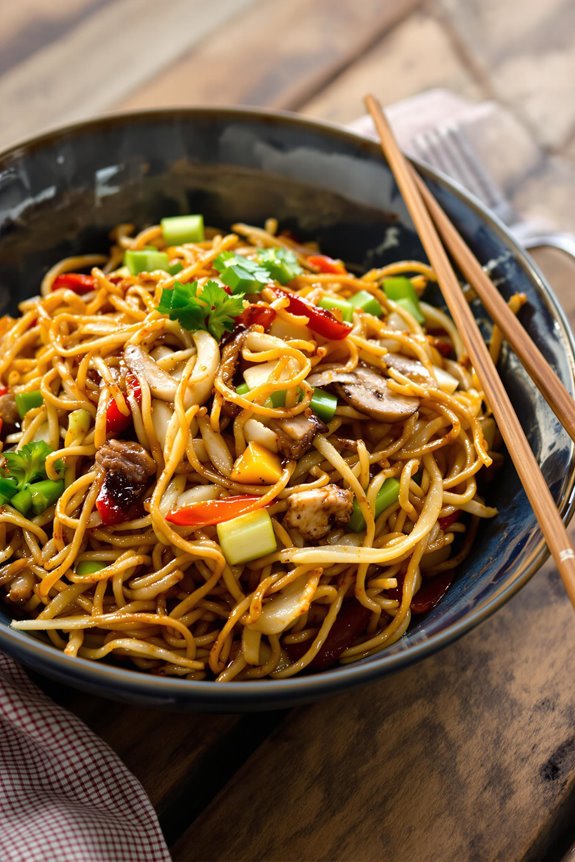
Begin by heating a bit of oil in a large frying pan, then add 1 pound of pork stew meat or 2½ cups of chicken cut into bite-sized pieces. Season the meat with 1½ teaspoons of seasoning salt and cook until it’s nicely browned on all sides.
Next, toss in 1 medium chopped onion and 1-2 cloves of garlic, letting them sizzle away for about 2 minutes until they become fragrant and slightly translucent. The kitchen will start smelling absolutely mouthwatering at this point.
Now comes the veggie parade! Add 1 cup of chopped celery, ¾ cup of colorful chopped peppers (red, yellow, orange—use one or all), 5 mixed mushrooms, ½ cup of bamboo shoots, and 3 cups of thinly sliced white cabbage. Sauté everything together until the vegetables soften but still maintain a bit of crunch.
Meanwhile, bring a pot of water to a boil for the chow mein noodles. When bubbling, add a pinch of salt and cook the noodles for about 4 minutes—regardless of what the package says. Trust me on this one, nobody wants soggy noodles that fall apart when you try to mix them with the other ingredients.
Drain those perfectly al dente noodles and give them a quick rinse with hot water. This removes excess starch and prevents them from sticking together.
Add the noodles to your vegetable and meat mixture, then drizzle 3 tablespoons of soya sauce over everything. For the most flavorful results, consider using a high-end Dutch oven which distributes heat evenly and prevents hot spots that could burn your delicate ingredients. Gently toss all the ingredients together, making sure the sauce coats everything evenly.
Season with salt and pepper to taste, and voilà! Your homemade chow mein is ready to serve. It’s a complete meal in one dish—savory, satisfying, and so much better than takeout.
Recommended Products
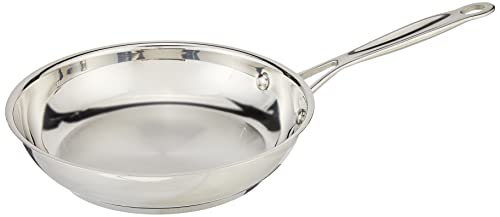
EXCEPTIONAL DESIGN: enjoy mirror finish, classic look and professional performance. Aluminum encapsulated base heats quickly and spreads heat evenly– eliminating hot spots
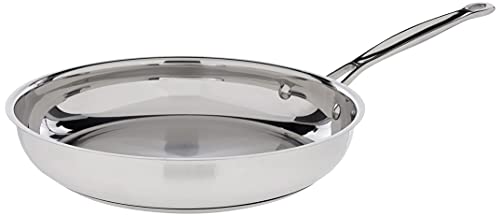
EXCEPTIONAL DESIGN: enjoy mirror finish, classic look and professional performance. Aluminum encapsulated base heats quickly and spreads heat evenly– eliminating hot spots

DELARLO Tri-Ply Stainless Steel Frying Pan 8" kitchen skillet
Savory Homemade Chow Mein Substitutions and Variations
While making this classic dish is wonderfully satisfying, I’ve found that the beauty of homemade chow mein lies in its flexibility—you’re never locked into following the recipe exactly as written!
You can easily swap the protein—try thinly sliced beef, shrimp, or even tofu for a vegetarian version.
Don’t have fresh mushrooms? Rehydrated dried shiitakes will add an incredible umami punch.
For a spicier kick, add a tablespoon of chili garlic sauce or sriracha.
Rice noodles or even spaghetti can substitute for traditional chow mein noodles in a pinch.
And don’t worry if you’re missing bamboo shoots—water chestnuts provide that similar satisfying crunch!
Recommended Products

Ready to use

Ready to use for condiments or great for cooking

Roland Sriracha Chili Sauce is a tangy and spicy sauce made from salted sun-ripened chili peppers that imparts a delicate sweetness.
What to Serve with Savory Homemade Chow Mein
Although your homemade chow mein stands perfectly well on its own as a complete meal, pairing it with complementary dishes creates a truly memorable Asian-inspired feast!
I love serving spring rolls as an appetizer—their crispy exterior contrasting beautifully with the noodle-based main.
For beverages, jasmine tea or a light lager beer cuts through the savory flavors perfectly.
Don’t forget a simple side of steamed edamame sprinkled with sea salt, or perhaps garlic bok choy for added greens.
My favorite dessert pairing? Mango pudding or almond cookies, which provide just the right sweet finish without overwhelming your palate after all those delicious umami flavors.
Recommended Products

Explore Authentic Asian: Blue Dragon Spring Roll Wrappers are classic rice paper sheets ideal for making this delicious healthy appetizer

Authentic Vietnamese Tradition: Create spring rolls just like in traditional kitchens with these delicate rice paper wrappers; Each sheet becomes pliable in seconds when soaked in warm water, making it simple to roll fresh rice paper rolls or fry them into crispy appetizers; Perfect for recreating restaurant-style dishes at home while using fresh ingredients you choose

【 PREMIUM QUALITY 】: Cathay Spring Roll Rice Paper Wrappers are made from specially selected ingredients sourced from Vietnam and 100% machine processed and dried, which brings you a fantastic and delicious food experience each and every time. Does not easily break when wrapping like the other brands out there!
Final Thoughts
Now that you’ve mastered this homemade chow mein recipe, you’re holding the key to a versatile dish that’ll quickly become a family favorite.
I’m always amazed at how the sizzle of pork or chicken against a hot pan transforms into something so deliciously complex with just a handful of fresh vegetables and a splash of soy sauce.
Don’t be afraid to tweak the recipe to your taste—perhaps adding more mushrooms if you’re a fungi fanatic, or tossing in water chestnuts for extra crunch.