Links below are affiliate links. We earn a commission on purchases at no extra cost to you.
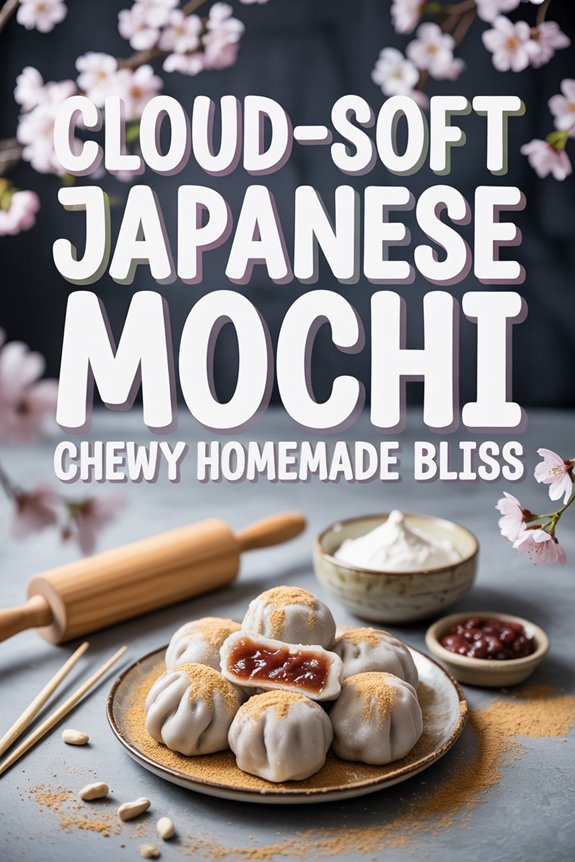
Cloud-Soft Japanese Mochi Recipe: Chewy Homemade Bliss
Knead your way to heavenly, cloud-soft Japanese mochi with this simple recipe that transforms basic ingredients into irresistible chewy treasures.
Why You’ll Love this Chewy Mochi
If you’ve never experienced the uniquely satisfying texture of freshly made mochi, you’re in for a delightful surprise!
This Japanese treat delivers that perfect balance of springy resistance and cloud-like softness that simply can’t be found in store-bought versions.
I’m obsessed with how just a few simple ingredients—glutinous rice flour, water, and sugar—transform into something so magically elastic.
The process is wonderfully tactile; there’s something meditative about kneading the warm dough until it develops that signature chewiness.
And the best part? You’ll customize it with delicious coatings like roasted peanut powder or wrap it around sweet fillings!
What Ingredients are in Chewy Mochi?
Traditional Japanese mochi requires just a handful of simple ingredients to create that signature chewy, stretchy texture we all adore.
The beauty of mochi lies in its simplicity—with glutinous rice flour as the star ingredient, you’ll create a delightfully bouncy treat that can be customized in countless ways. Ready to gather what you need for this pillowy, soft dessert? The ingredients are remarkably straightforward.
- 7 tablespoons glutinous-rice flour (mochiko or other brands work fine)
- 5 tablespoons boiling water
- 1 tablespoon sugar
- ¼ cup roasted unsalted peanuts (preferably skinned) for coating
When shopping for these ingredients, the glutinous rice flour is absolutely non-negotiable—regular rice flour won’t create that distinctive chewy texture that makes mochi so special.
Despite its name, glutinous rice flour contains no gluten; it’s simply named for its sticky, glutinous texture when cooked.
And while this recipe calls for a peanut coating, you might consider keeping additional coating options on hand, like kinako (roasted soybean flour) or cornstarch.
Want to make daifuku mochi? You’ll also need sweet red bean paste to create that delicious filled variation that’s popular throughout Japan.
Recommended Products

Soeos glutinous rice flour, is a finely ground flour derived from sticky or glutinous rice. This special flour is a mainstay in many Asian cuisines because of its exceptional ability to produce a smooth, sticky, and chewy texture in a variety of recipes.

Shiratamako (白玉粉 Shiratama ko) Premium glutinous rice flour used to make Mochi, Dango, Daifuku

Premium Glutinous Rice Flour: 52USA Glutinous rice flour selection of high-quality Thai rice refined, white color, fine powder grain
How to Make this Chewy Mochi
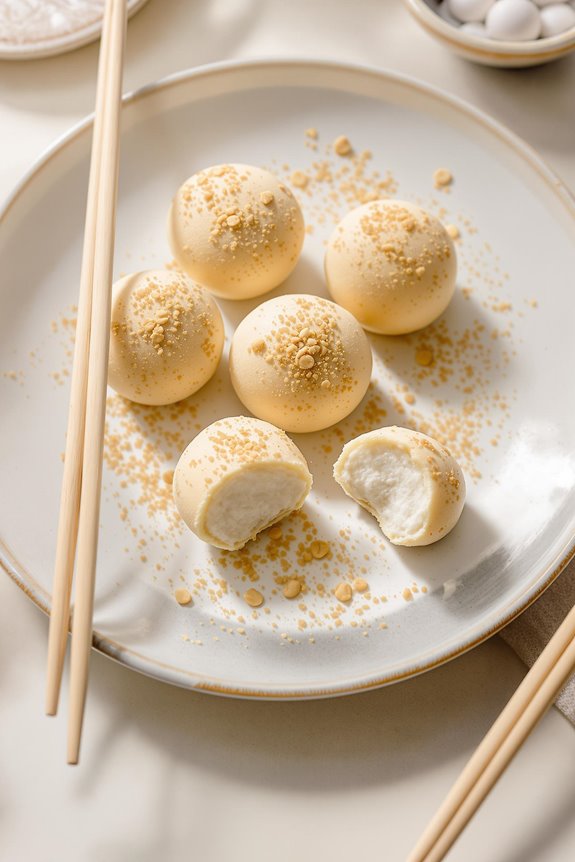
Making mochi at home is surprisingly simple, though it does require some arm strength for the kneading process. Start by combining 7 tablespoons of glutinous-rice flour with 1 tablespoon of sugar in a bowl—I recommend using a souffle-sized bowl that holds about 2 cups.
While stirring with a spoon or small stiff spatula, gradually pour in 5 tablespoons of boiling water, mixing in a clockwise direction until the lumps disappear. The mixture will become increasingly difficult to stir as it develops a slightly elastic texture, but keep at it for about 2 minutes. Your arm might feel like it’s getting a mini workout, which is just a bonus, right?
Once mixed, cover the bowl with plastic wrap and microwave on HIGH for 2-4 minutes, depending on how powerful your microwave is. While it’s cooking, prepare a ziplock bag by greasing it well—this prevents the sticky mochi from becoming a permanent addition to your kitchen tools.
When the mochi is done, carefully transfer it into the inverted bag (oil side out). Be cautious here because hot mochi can rival molten lava regarding heat! Now comes the therapeutic part: kneading the mochi for 7-10 minutes by stretching and flattening it inside the bag, then picking up the bag at one corner to let it roll back into a ball. Repeat until you achieve your desired chewiness.
For the finishing touch, prepare your coating by processing 1/4 cup of roasted unsalted peanuts (preferably skinned) in a blender or food processor until powdery, then spread this on a plate. Remember not to add sugar to the coating, as it will dissolve with the moisture in the mochi and create a sticky mess.
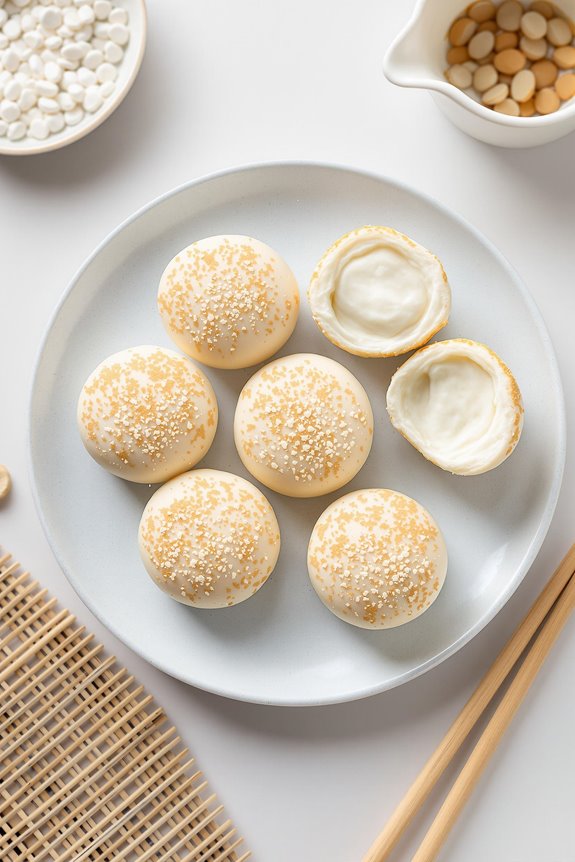
Form teaspoon-sized balls by either pulling off pieces with your hand or by cutting a corner of the bag and squeezing the mochi through, separating pieces with greased scissors or chopsticks. Roll each piece in the peanut powder and voilà—homemade mochi ready to enjoy.
Want to get fancy? You could also wrap sweet red bean paste inside for traditional daifuku.
For those who enjoy making pasta at home, a premium pasta maker can similarly elevate your culinary projects with the same satisfaction of creating handmade delicacies from scratch.
Recommended Products
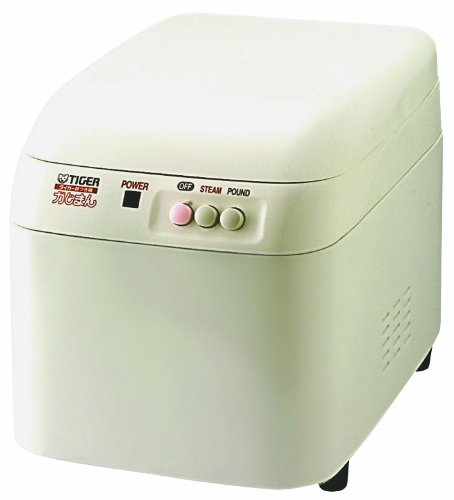
Dimple non-stick inner container

MAKE MOCHI MEMORIES: Take your love of mochi to a whole new level by learning to make your own homemade mochi ice cream. This DIY kit includes detailed instructions, making it the perfect mochi ice cream kit for beginners!

MASTERCHEF CRAFTED & APPROVED: With the help & partnership from legendary Chef Morimoto, you can now make chewy mochi donuts at home like a master chef. Meticulously crafted and prepared by Chef Morimoto, these Japanese mochi donut kits are the only DIY kits of their kind, approved by a Master Iron Chef.
Chewy Mochi Substitutions and Variations
The wonderful thing about homemade mochi is how adaptable the recipe can be when your pantry isn’t fully stocked with traditional Japanese ingredients.
If you can’t find mochiko flour, Thai glutinous rice flour works beautifully as a substitute—I’ve found the texture remains delightfully chewy either way.
Beyond the peanut coating mentioned in the recipe, you can roll your mochi in toasted sesame seeds, kinako (roasted soybean flour), or even cocoa powder.
For a more substantial treat, I’d suggest creating daifuku by wrapping sweet red bean paste inside your mochi balls—transforming them from simple snacks into delectable desserts worthy of any tea ceremony!
Recommended Products

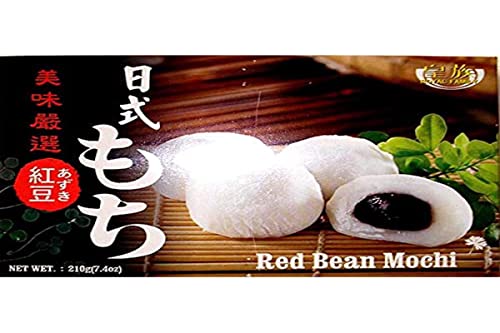
Japanese Rice Cake Mochi Daifuku (Red Bean)

Serving per container 8 pcs.
What to Serve with Chewy Mochi
While your freshly made mochi can certainly stand on its own as a delightful treat, pairing it with complementary flavors can elevate your entire snacking experience.
I’m particularly fond of serving mochi with a fragrant cup of matcha or jasmine tea, which cuts through the sweetness perfectly.
For a more indulgent option, try drizzling your mochi with a touch of honey or condensed milk. Fresh fruits like sliced strawberries or mango chunks add a revitalizing contrast to the chewy texture.
You can also create a beautiful dessert platter by arranging your mochi alongside other Japanese sweets like dorayaki or taiyaki for a complete tea time experience.
Recommended Products

✓ Premium Japanese Ceremonial Grade Matcha, Fresh from Japan - Made from shade grown, First Harvest tea leaves from Uji Kyoto. The tencha is only ground into powder right before it leaves Japan for the USA, and then sealed into air-tight packets. This gets you extremely fresh, quality Uji matcha to be enjoyed right here in America.

100% USDA Certified Organic Matcha Green Tea Powder

✓ Our Superior Blend Ceremonial Grade Matcha in Larger Packaging - Bigger packaging that offers both convenience and even greater value! Our 3.5 oz / 100g package serves a total of 50 servings. 1 tsp (2 grams) of matcha powder makes either a cup of matcha tea (usucha) or a small of matcha latte.
Final Thoughts
After you’ve mastered this traditional Japanese mochi recipe, you’ll understand why this chewy, pillowy treat has captivated dessert lovers for centuries.
There’s something magical about transforming simple glutinous rice flour into these delectable, cloud-like confections with just a few ingredients and some elbow grease.
Don’t be discouraged if your first attempt isn’t perfect—mochi-making is an art that rewards persistence.
The beauty lies in customization—whether you prefer the nutty warmth of peanut coating or sweet red bean filling.
I’m convinced there’s no greater satisfaction than watching friends’ faces light up when biting into homemade mochi, still warm and impossibly tender.