Links below are affiliate links. We earn a commission on purchases at no extra cost to you.
Fiery Kung Pao Chicken Recipe That Bites Back
Craving authentic Chinese flavors? This Kung Pao Chicken recipe delivers the perfect balance of heat and sweetness that will leave you...
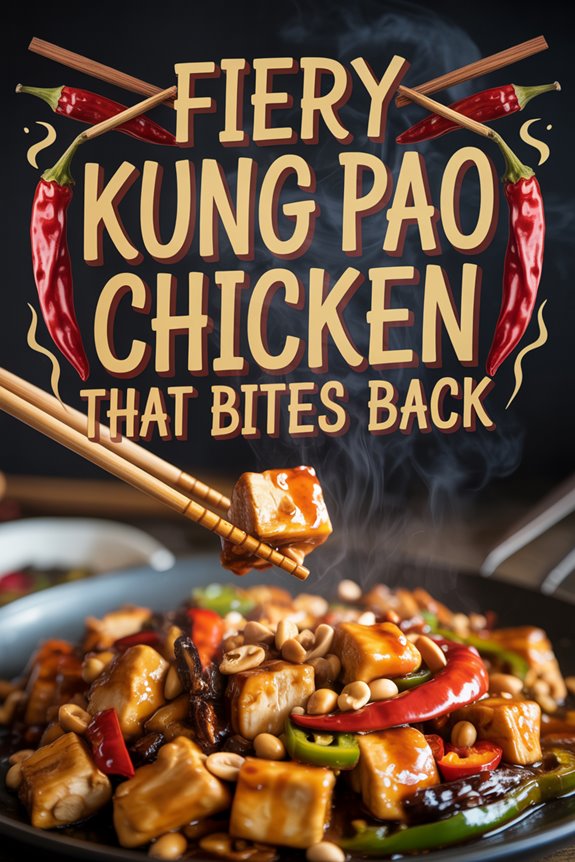
Why You’ll Love this Spicy Kung Pao Chicken
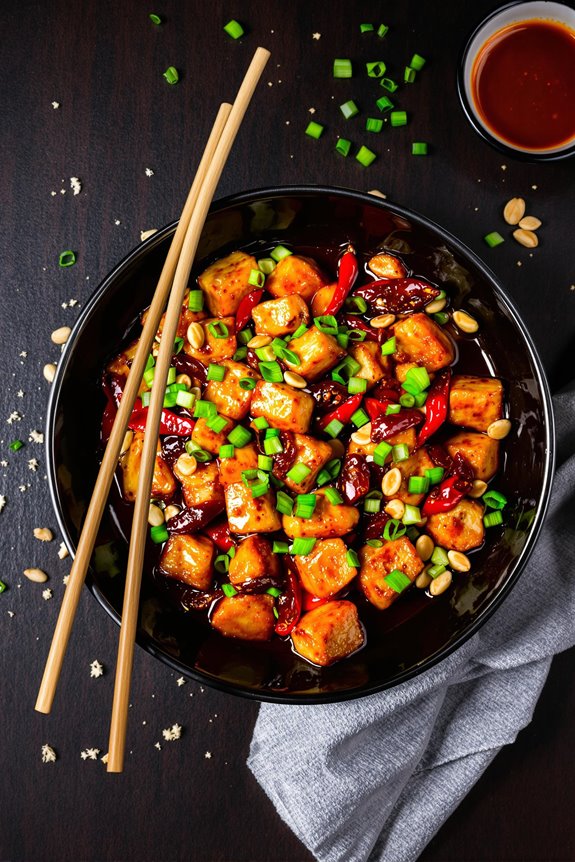
If you’ve been searching for the perfect balance of heat, sweetness, and umami, this Kung Pao chicken recipe will absolutely knock your socks off!
You may be interested
I’m obsessed with how the tender chicken cubes soak up that complex sauce, while those dried chilies infuse everything with their fiery essence. The contrast between the crunchy bell peppers and succulent chicken creates a textural paradise that’s utterly addictive.
What makes this version special is the careful balance of traditional ingredients—soy sauce, sesame oil, and rice vinegar—working together in perfect harmony.
Trust me, you’ll never order takeout again!
What Ingredients are in Spicy Kung Pao Chicken?
The magic of Kung Pao chicken lies in its perfect balance of flavors – spicy, sweet, savory, and tangy all dancing together in one delicious dish. This Chinese restaurant favorite might seem intimidating to make at home, but with the right ingredients, you can create an authentic version that rivals any takeout. The beauty of this recipe is how the simple pantry staples combine with a few specialty items to create something truly spectacular.
- 4 boneless skinless chicken breasts, cut into bite-sized cubes
- 5 tablespoons soy sauce (divided for marinade and sauce)
- 2 tablespoons sherry wine (divided)
- 2 teaspoons sugar
- 4 Asian dried red chilies, split
- 1/2 tablespoon grated ginger
- 1 pinch red pepper flakes
- 1 1/2 tablespoons canned Szechuan sauce
- 2 teaspoons sesame oil
- 2 tablespoons rice vinegar
- 1/4 cup water
- 1 tablespoon minced garlic
- 2 tablespoons peanut oil (or other light oil)
- 1 red bell pepper, cut into chunks
- 2 teaspoons cornstarch
When shopping for these ingredients, a few things to keep in mind: the dried Asian chilies are vital for authentic flavor, but you can adjust the quantity based on your heat preference. Don’t substitute the sesame oil with another type—its distinctive nutty flavor is essential to the dish. While traditional Kung Pao chicken includes peanuts (hence the name), this version focuses on the clean flavors of the sauce and vegetables. If you can’t find Szechuan sauce, look for chili garlic sauce or sambal oelek as alternatives, though you might need to adjust quantities to match the heat level. And remember, the quality of your soy sauce matters—a good quality one will elevate the entire dish.
How to Make this Spicy Kung Pao Chicken
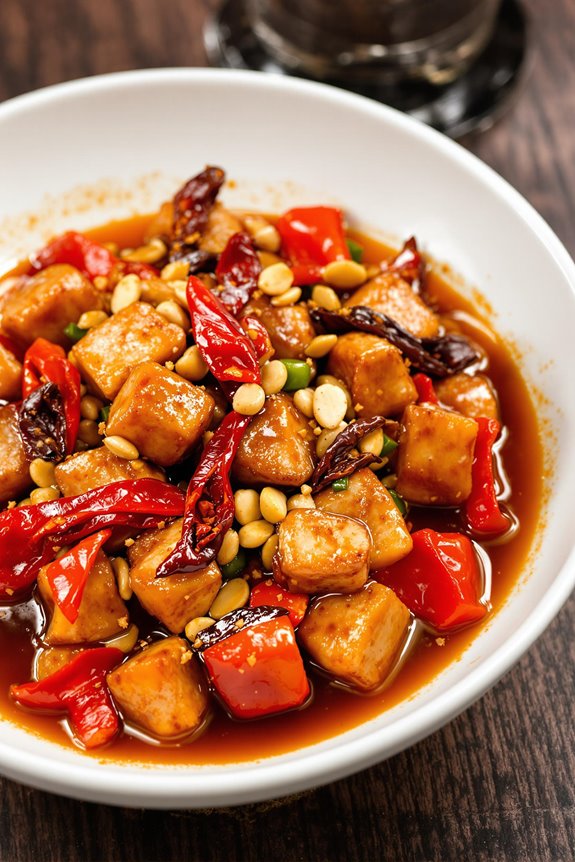
To start making this mouthwatering dish, cut 4 boneless skinless chicken breasts into bite-sized cubes. Toss the chicken pieces with 1 tablespoon soy sauce and 1 tablespoon sherry wine, then set aside to marinate briefly while you prepare the sauce. This quick marinade helps the chicken absorb flavor before cooking—just think of it as giving your protein a little flavor bath before the main event.
Next, whisk together your sauce by combining 2 teaspoons sugar, 2 tablespoons rice vinegar, 2 teaspoons sesame oil, 1/4 cup water, 1 tablespoon sherry wine, the remaining 4 tablespoons soy sauce, and 2 teaspoons cornstarch in a bowl.
Heat 2 tablespoons peanut oil in a wok over medium-high heat, then add 4 split Asian dried red chilies and cook until they begin darkening. Add 1 tablespoon minced garlic, 1/2 tablespoon grated ginger, and a pinch of red pepper flakes, cooking for about 30 seconds until fragrant—your kitchen will smell absolutely divine at this point.
Toss in the marinated chicken and stir constantly for 1-2 minutes, then add your sauce mixture and 1 red bell pepper cut into chunks. Cook just until the chicken is done, about another minute.
For perfectly uniform ingredients and less prep work, using a high end food processor can significantly reduce your chopping time for the garlic, ginger, and bell pepper.
For those who crave more heat and complexity, finish by stirring in 1-1½ tablespoons of Szechuan sauce after removing from heat. The result? A perfectly balanced blend of spicy, savory, and slightly sweet flavors that’ll make your taste buds dance.
Spicy Kung Pao Chicken Substitutions and Variations
While traditional Kung Pao chicken relies on specific ingredients for its signature flavor profile, you’ll be delighted to know that this versatile dish welcomes numerous substitutions to accommodate dietary restrictions, pantry limitations, or personal preferences.
Can’t find Asian dried red chilies? I’d recommend substituting with crushed red pepper flakes or even a tablespoon of sriracha for that fiery kick.
For a vegetarian twist, try firm tofu or tempeh instead of chicken.
No sherry wine? Rice wine or even a dry white wine works beautifully.
Peanut allergies? Cashews or almonds create an equally satisfying crunch.
And if Szechuan sauce isn’t in your pantry, a mixture of hoisin and chili garlic sauce makes a fantastic alternative.
What to Serve with Spicy Kung Pao Chicken
Four perfect companions elevate the fiery, savory experience of Kung Pao chicken to new heights, transforming it from a simple dish into a complete feast.
I’m passionate about pairing it with steamed jasmine rice, which absorbs that incredible sauce while cooling the spice.
For texture contrast, I’ll add stir-fried bok choy with a touch of garlic and sesame oil (just 2 minutes in a hot wok!).
Don’t forget a simple cucumber salad—thinly sliced with rice vinegar, a pinch of sugar, and sesame seeds.
Finally, crispy spring rolls provide that satisfying crunch that complements the tender chicken pieces so beautifully.
Final Thoughts
After mastering this Kung Pao chicken recipe, you’ll find yourself returning to it time and again, not just for its bold flavors but for its incredible versatility. I’m convinced there’s something magical about that perfect balance of heat, sweetness, and umami that makes it irresistible.
Don’t be afraid to adjust the chili level to your preference—some nights call for five-alarm fire, others for a gentle warmth. The beauty lies in making it your own. And while traditional woks create that coveted “wok hei” flavor, a trusty skillet works perfectly well too. Kitchen perfection isn’t about fancy equipment, it’s about passion and practice.