Links below are affiliate links. We earn a commission on purchases at no extra cost to you.
Spaetzle Recipe: Buttery German Comfort Dumplings
From tender egg dumplings to buttery crisp edges, this authentic German spaetzle recipe transforms simple ingredients into a comforting masterpiece.
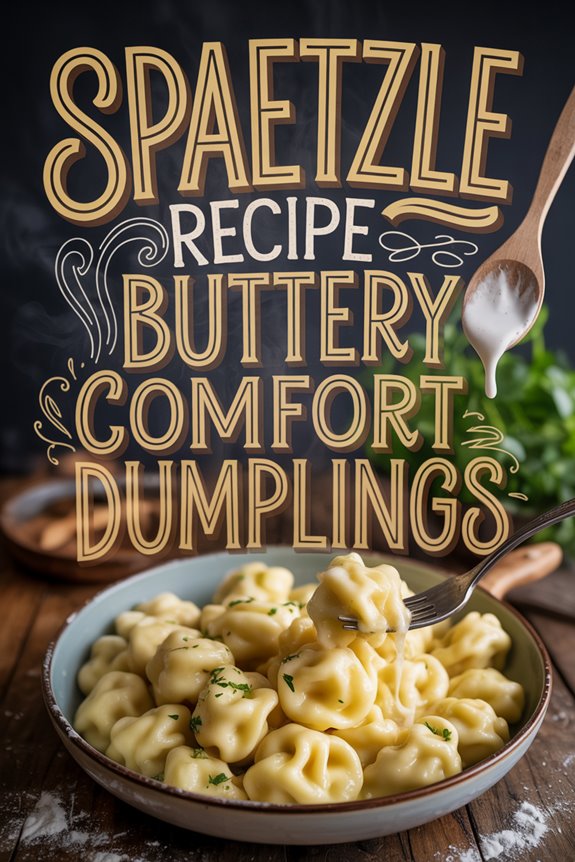
Why You’ll Love these Buttery German Spaetzle
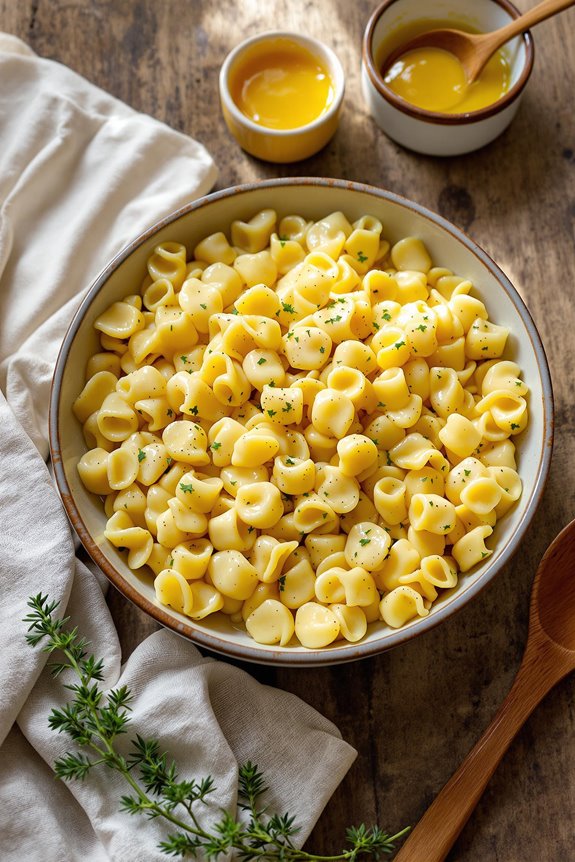
Every bite of these authentic German spaetzle delivers pure comfort on a plate. I’m convinced these tender, irregularly-shaped egg dumplings will become your go-to side dish for hearty meals.
You may be interested
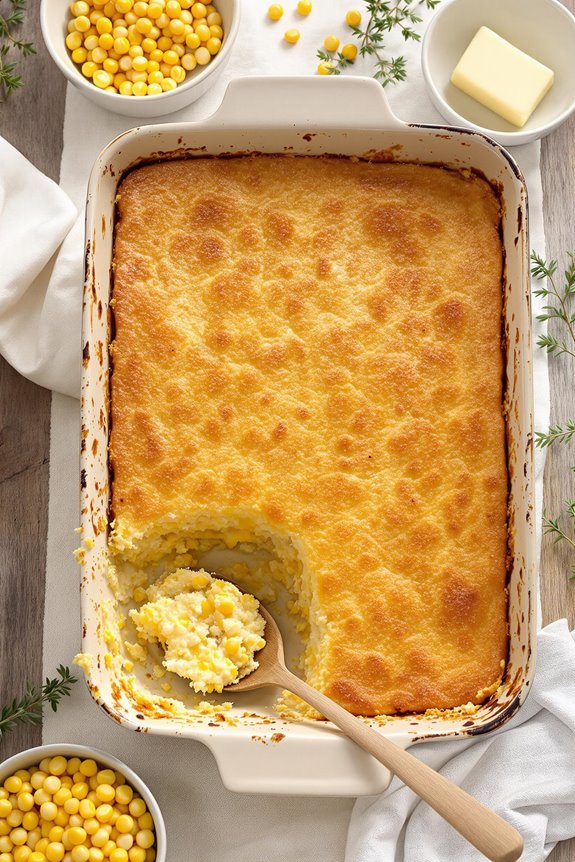
Creamy Southern Comfort Corn Casserole Recipe
June 12, 2025
They’re surprisingly simple to make with just flour, eggs, salt, and butter—ingredients you likely have in your pantry right now!
What makes spaetzle irresistible is their delightful texture: pillowy-soft inside with slightly crisp edges. The butter melting into each crevice creates rich pockets of flavor that perfectly complement savory dishes like goulash.
Plus, watching the dough transform through a grater into the boiling water feels oddly satisfying, like culinary magic happening before your eyes.
Recommended Products
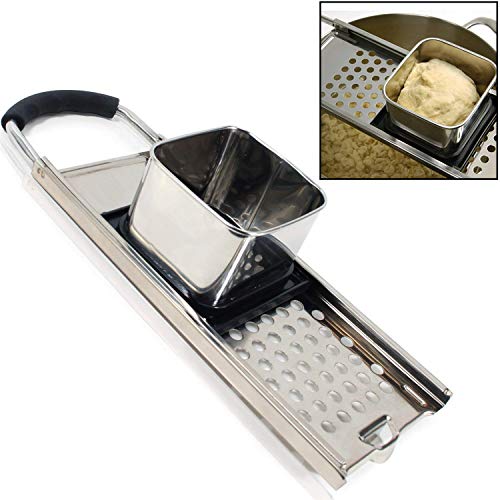
Want to make Spaetzle just like how Oma did? Make traditional German noodle dumplings at home with the KEISSCO Spaetzle maker.

PERFECT COMBINATION: The spaetzle press features precision holes and a smooth sliding plate, which creates perfect, uniform German egg noodles and dumplings effortlessly. The spider strainer can quickly scoop food out of boiling water. This complete set saves time and simplifies cooking

【Easy and Efficient Homemade Delicious Spaetzle】The spaetzle maker will replace your colander or cheese grater, assist you in making delicious homemade spaetzle easily and efficiently! Place the pre-fermented dough in a dough box, moving back and forth, quickly and easily make homemade spaetzle. Leaving more time to enjoy your food
What Ingredients are in Buttery German Spaetzle?
Traditional German spaetzle requires just a handful of simple, pantry-staple ingredients that transform into something magical when combined. These humble components work together to create those distinctive, tender-yet-chewy little dumplings that soak up sauce so beautifully.
The beauty of spaetzle lies in its simplicity—you don’t need anything fancy to create this comforting side dish that’s been gracing German tables for generations.
- 2 cups sifted all-purpose flour
- Salt (about 1 tablespoon for the dough, plus extra for the boiling water)
- 3 large eggs
- 3/4 cup water
- 3 tablespoons melted butter
When gathering ingredients for spaetzle, quality matters in this simple recipe. The flour should be all-purpose rather than cake flour or bread flour, as it provides just the right protein content for proper texture.
Room temperature eggs blend more easily into the dough, so consider setting them out about 30 minutes before starting. And while some recipes might call for milk instead of water, this traditional version uses water for a slightly lighter result.
The melted butter added to the boiling water creates that distinctive richness that makes German spaetzle so utterly craveable.
Recommended Products

Tiny swiss-style dumplings

Authentic German Dumplings

One 10.5 oz pouch Maggi Spaetzle Authentic German Dumplings. EBT item in eligible states
How to Make these Buttery German Spaetzle
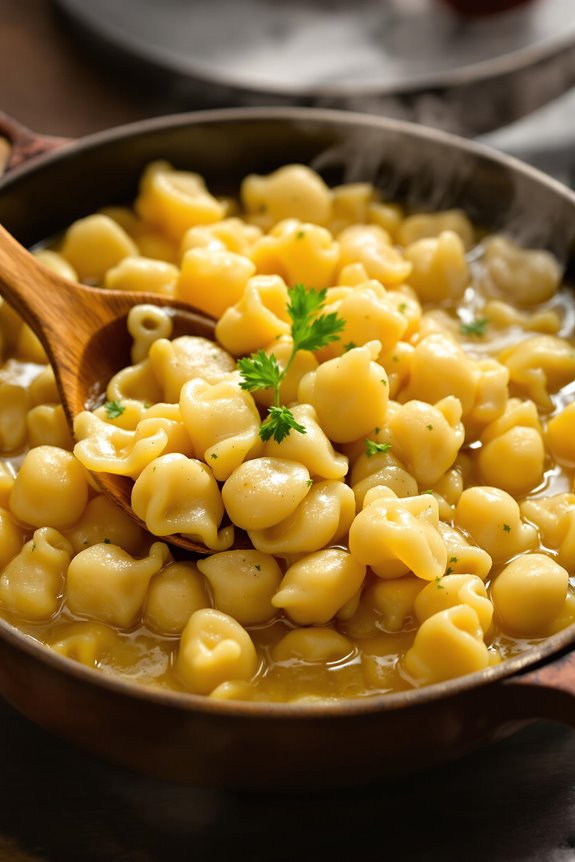
Making spaetzle at home is surprisingly simple and infinitely more delicious than any store-bought version. Start by sifting 2 cups of all-purpose flour with 1 tablespoon of salt into a large mixing bowl. This sifting step is essential—it aerates the flour and prevents those pesky lumps that can ruin the texture.
Add 3/4 cup of water and 3 large eggs to your flour mixture, then stir until just combined. Remember not to over-mix; we’re looking for a smooth batter, not a workout for your biceps. The consistency should be somewhere between pancake batter and cookie dough—thick enough to hold its shape momentarily but loose enough to press through holes.
Now for the fun part. Bring a large pot of water to a rolling boil with a pinch of salt, then pour in 3 tablespoons of melted butter. This butter infusion is what gives homemade spaetzle that irresistible richness.
Grab your large-holed grater or strainer (the secret weapon in spaetzle-making) and position it over the boiling water. For even easier preparation, an electric potato ricer can create perfectly consistent dumplings with minimal effort. Spoon some dough into the grater and press it through directly into the water—tiny irregular dumplings will form instantly. Work in batches until you’ve used all the dough, watching as the little dumplings dance in the water.
The spaetzle are done when they float to the surface, which happens quite quickly. Strain them into a bowl, and they’re ready to serve! These buttery little dumplings make the perfect base for hearty goulash, or honestly, just toss them with some extra butter and herbs for a comforting side dish.
Recommended Products
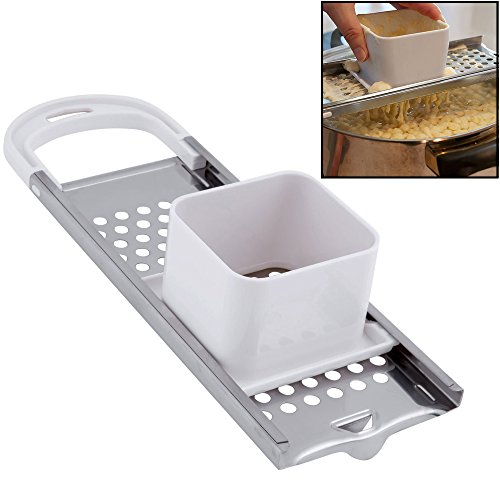
Tired of your usual side dish? Want to make Spaetzle just like how Oma did? Make spaetzle, traditional german noodle dumplings at home with the Harcci Spaetzle maker. Easy to use and serve up Spaetzle with meat, butter, sweet and sour dressings, or pioneer a new combination!

【AUTHENTIC GERMAN SPEATZLE】Multifunction The perfect set of spaetzle maker and spider strainer skimmer,making it easier to make spaetzle or traditional german noodle dumplings

【Easy and Efficient Homemade Delicious Spaetzle】The spaetzle maker will replace your colander or cheese grater, assist you in making delicious homemade spaetzle easily and efficiently! Place the pre-fermented dough in a dough box, moving back and forth, quickly and easily make homemade spaetzle. Leaving more time to enjoy your food
Buttery German Spaetzle Substitutions and Variations
While authentic German spaetzle follows a tried-and-true formula, you’ll be delighted to know there’s plenty of room for creative adaptations that don’t sacrifice that distinctive chewy-yet-tender texture we all crave.
Try substituting a portion of all-purpose flour with whole wheat for a nuttier flavor profile, or incorporate herbs like chopped parsley, chives, or thyme into your batter.
I’m particularly fond of adding a pinch of nutmeg for subtle warmth. Cheese lovers can fold in grated Emmentaler or Gruyère before cooking.
For a completely different spin, sauté your cooked spaetzle with caramelized onions and bacon until crispy—trust me, it’s heavenly!
Recommended Products

Large barrel and sharp stainless steel blades for efficient grating

Makes Everything Simple : Just forget your bagged cheese! Only turn the handle for several times and get fresh shredded cheese, cutting the food twelve time faster and saving more time. Go ahead for your favourite recipes with this cheese grater

Three Blades: Coarse shredding blade, fine shredding blade with different diameter ; One slicing blades; A pound of cheese is only 30 seconds, avoid contact between fingers and blades
What to Serve with Buttery German Spaetzle
The perfect companions for buttery German spaetzle transform this humble side dish into a magnificent meal worthy of any dining table.
I’m particularly fond of pairing it with a rich, slow-cooked goulash, letting the tender beef and paprika-infused sauce nestle into every nook of those delightful dumplings.
For something lighter, try spaetzle with schnitzel and a bright lemon wedge, or alongside braised red cabbage for that sweet-tart contrast.
When I’m feeling indulgent, I’ll top it with caramelized onions and Emmental cheese for impromptu käsespätzle.
The beauty of spaetzle lies in its versatility—it’ll happily soak up any savory sauce you send its way!
Recommended Products

Made in Germany

AUTHENTIC GERMAN: Traditional Swabian-style egg noodles crafted using time-honored recipes for genuine German taste and texture

Traditional German Egg Pasta
Final Thoughts
As you’ve journeyed through this spaetzle recipe, I hope you’ve discovered just how rewarding these little German dumplings can be in your culinary repertoire.
There’s something magical about watching those irregular little morsels float to the surface of boiling water, each one a perfect, tender bite of comfort.
The beauty of spaetzle lies in its simplicity – flour, eggs, water, and a pinch of salt transform into something extraordinary.
Whether paired with rich goulash or simply tossed with butter, these humble dumplings elevate any meal they accompany.
Your kitchen adventures deserve this touch of German tradition!