Links below are affiliate links. We earn a commission on purchases at no extra cost to you.
Irresistible Japchae Recipe: Korea’s Savory Glass Noodles
Once you master this addictive Korean glass noodle dish with its perfect balance of savory-sweet flavors, you'll never look at takeout the same.
Why You’ll Love these Savory Korean Glass Noodles
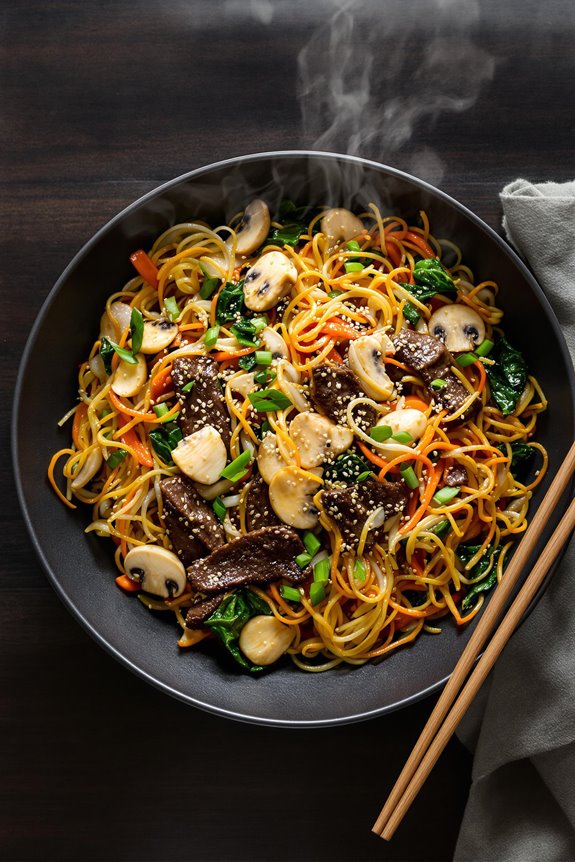
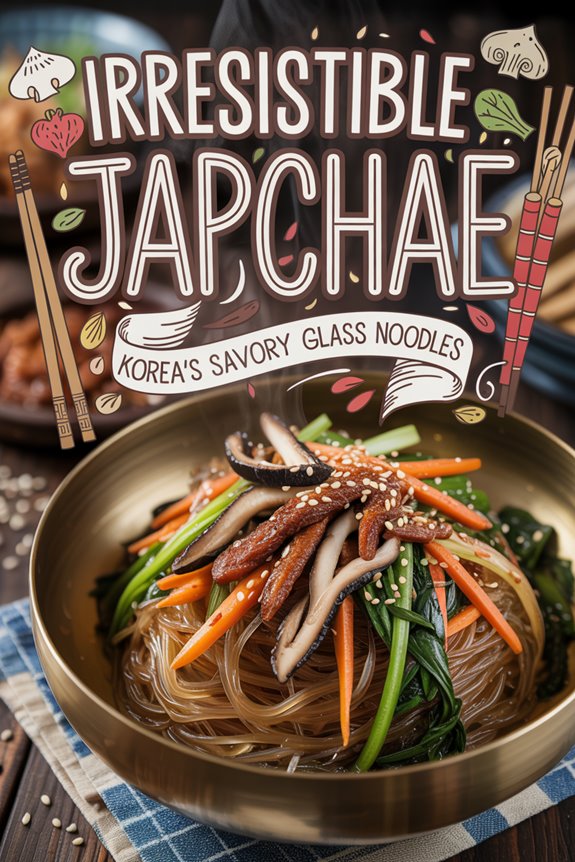
When you’re craving something that perfectly balances sweet and savory flavors with a delightful chewy texture, japchae is the answer to your culinary dreams. I’m obsessed with how these translucent sweet potato glass noodles absorb all the sesame-soy goodness while maintaining their signature springy bite.
You may be interested
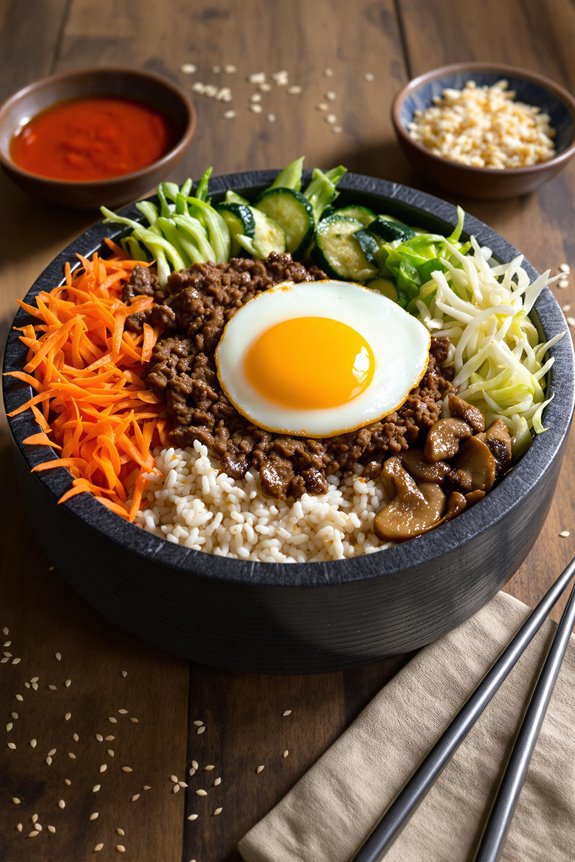
Sizzling Korean Bibimbap Recipe: Vibrant Joy Bowl
January 11, 2026
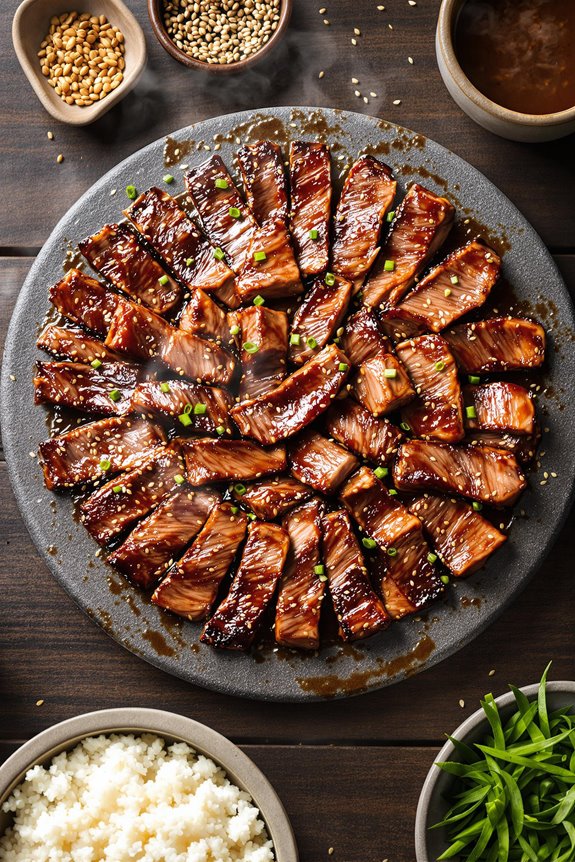
Sizzling Korean Bulgogi Recipe: Sweet-Savory Beef Bliss
October 3, 2025
You’ll love how each colorful component—from the caramelized beef to the vibrant vegetables—plays its own distinct role. The noodles’ slippery, satisfying texture against the crunch of just-cooked vegetables creates a textural paradise in every bite. Plus, it’s impressive enough for guests but straightforward enough for a weeknight dinner. Trust me, this dish makes vegetable prep feel like meditation, not a chore!
Recommended Products

Authentic Sweet Potato Noodles – A delicious way to spice up Korean, Chinese, or Japanese dishes these sweet potato glass noodles make a great addition to your favorite meals or for replacing traditional wheat noodles.

GOOD WITH JUST ABOUT ANYTHING: Experience the Delicate and Versatile Flavor of Glass Noodles - Your Perfect Ingredient for Mouthwatering Asian-Inspired Dishes!
![Premium Korean Organic Glass Noodles – [12 Pack - 42oz] – Gluten-Free | Sugar Free | Sweet Potato Vermicelli | Vegan & No Sodium | Low-Calorie Rice & Pasta Alt. for Stir-Fry, Soup & Asian Recipes - O’food](https://m.media-amazon.com/images/I/41ZeM1B7b0L._SL500_.jpg)
KOREAN GLASS NOODLES MADE FROM SWEET POTATO STARCH – Experience the genuine taste and texture of Korean vermicelli, also known as cellophane or starch noodles, a classic staple in Korean cooking and other Asian cuisines.
What Ingredients are in Savory Korean Glass Noodles?
Japchae might look complex with its colorful medley of ingredients, but don’t let that intimidate you. The beauty of this Korean classic lies in how simple components come together to create something truly magical. Each ingredient plays a vital role—from the chewy sweet potato starch noodles that form the backbone of the dish to the rainbow of vegetables that provide texture, nutrition, and visual appeal. Ready to gather everything you need for this savory-sweet masterpiece?
- 150g Korean starch noodles (dangmyun)
- 150g beef (thinly sliced)
- 1 bunch spinach
- 1 medium carrot, cut into thin matchsticks
- 1 medium onion, thinly sliced
- 5 dried shiitake mushrooms
- 2 cups sliced white mushrooms
- 3 garlic cloves, minced
- 7-8 green onions, cut into 7cm long pieces
- 4 tablespoons soy sauce (divided throughout recipe)
- 4 tablespoons sesame oil (divided)
- Olive oil (for sautéing)
- 3 tablespoons sugar
- 1 teaspoon pepper
- 1 tablespoon toasted sesame seeds
Can’t find some of these ingredients? No worries—japchae is wonderfully adaptable. The dangmyun (sweet potato starch noodles) are non-negotiable for that authentic chewy texture, but you can find them at any Asian grocery store or online. For vegetarians, simply omit the beef and perhaps add more mushrooms for that umami depth. And while the recipe calls for specific vegetables, feel free to use what’s in season or already in your fridge—bell peppers, zucchini, or even snap peas make delicious additions. Just remember, the key to japchae‘s distinctive flavor profile is that perfect balance of soy sauce, sesame oil, and a touch of sweetness.
Recommended Products

Dangmyeon (Sweet Potato Noodles)

�Authentic Sweet Potato Noodles - A delicious way to spice up Korean, Chinese, or Japanese dishes these sweet potato glass noodles make a great addition to your favorite meals or for replacing traditional wheat noodles.
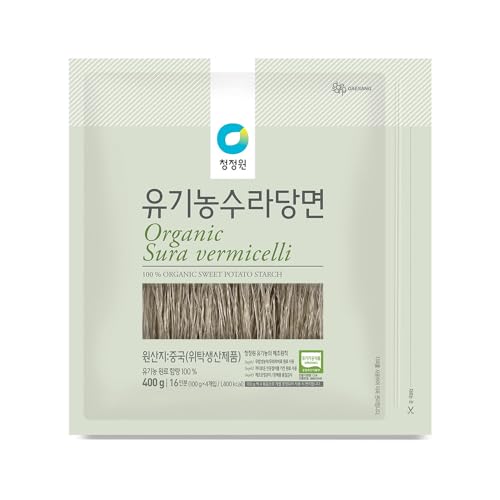
✅ ORGANIC & HEALTHY : Grown organically without the use of pesticides and chemical fertilizers, ensuring a natural and healthy product.
How to Make these Savory Korean Glass Noodles
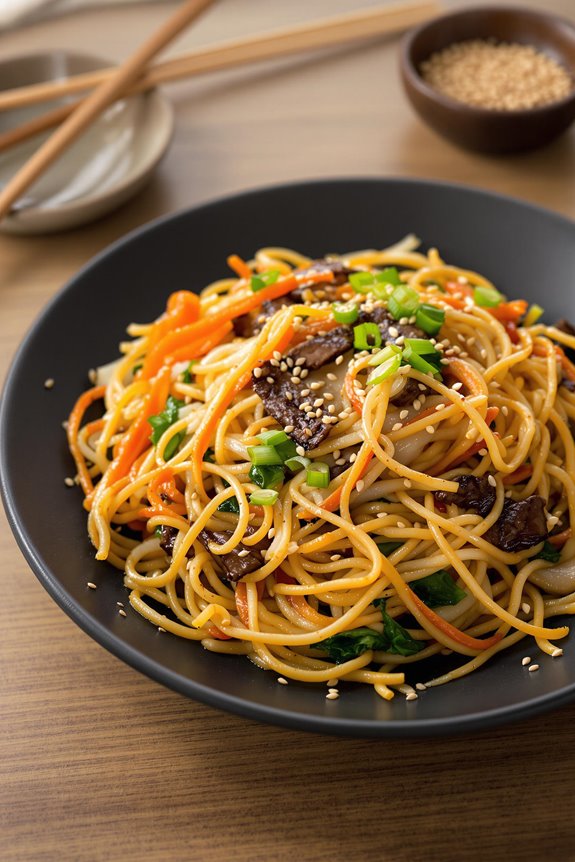
Making japchae starts with proper preparation of the star ingredient—150g of Korean starch noodles (dangmyun). Boil these glass noodles in a large pot of water for about 3 minutes until they’re soft and pliable. Once cooked, drain them, place in a large bowl, and cut them several times with scissors to make them easier to eat.
Then, season the noodles with 1 tablespoon of soy sauce and 1 tablespoon of sesame oil, tossing well to coat. This initial seasoning allows the noodles to absorb flavor while you prepare the other ingredients.
Next comes the colorful array of vegetables that make japchae so visually appealing. Blanch a bunch of spinach for just 1 minute, then rinse in cold water and squeeze out excess moisture before cutting into 5cm pieces.
Separately stir-fry your matchstick carrots, thinly sliced onion, white mushrooms, and 7-8 green onions, cooking each just until tender and adding them to your noodle bowl. For the protein component, stir-fry 150g of beef strips along with your soaked and sliced shiitake mushrooms, adding 3 cloves of minced garlic, 1/2 tablespoon soy sauce, and 1/2 tablespoon sugar for extra flavor.
The final step brings everything together in a harmonious mix of flavors. To your large bowl containing all the prepared ingredients, add the remaining seasonings: 2 tablespoons of soy sauce, 3 tablespoons of sugar, 2 tablespoons of sesame oil, and 1 teaspoon of ground pepper.
For a silky smooth texture in your vegetables, consider using an electric potato ricer to prepare ingredients like spinach after blanching.
Gently toss everything together until the noodles and vegetables are evenly coated with the sauce. Before serving, sprinkle 1 tablespoon of toasted sesame seeds over the top for a nutty finish and visual appeal.
The resulting dish offers a perfect balance of chewy noodles, colorful vegetables, and savory-sweet flavors that’s irresistible warm or at room temperature.
Recommended Products

Authentic Korean Flavor - Experience the perfect balance of sweet and savory flavors in this traditional Korean sauce, specially formulated for japchae

�Authentic Sweet Potato Noodles - A delicious way to spice up Korean, Chinese, or Japanese dishes these sweet potato glass noodles make a great addition to your favorite meals or for replacing traditional wheat noodles.

�Authentic Sweet Potato Noodles - A delicious way to spice up Korean, Chinese, or Japanese dishes these sweet potato glass noodles make a great addition to your favorite meals or for replacing traditional wheat noodles.
Savory Korean Glass Noodles Substitutions and Variations
While traditional japchae calls for specific ingredients, the beauty of this dish lies in its flexibility and adaptability to what you have on hand.
I’m always amazed at how forgiving japchae can be when I need to swap ingredients.
Don’t have dangmyun? Sweet potato noodles are essential, but in a pinch, you can substitute rice noodles or even thin spaghetti, though the texture won’t be quite the same.
For vegetables, feel free to use whatever’s in your crisper—bell peppers, zucchini, or bok choy work beautifully.
Vegetarians can omit the beef or replace it with tofu, tempeh, or mushrooms.
Recommended Products

Authentic Sweet Potato Noodles – A delicious way to spice up Korean, Chinese, or Japanese dishes these sweet potato glass noodles make a great addition to your favorite meals or for replacing traditional wheat noodles.

Sweet Potato Starch: Made from 100% sweet potato starch, our glass noodles are a delicious and healthy alternative to traditional vermicelli noodles and mung bean noodles.

AUTHENTIC KOREAN DANGMYUN: Traditional Korean glass noodles made from sweet potato and tapioca starch—perfect for classic dishes like japchae, galbitang, dumplings, hot pots and more.
What to Serve with Savory Korean Glass Noodles
When considering what to pair with these gorgeous, gleaming strands of japchae, you’ll find endless possibilities that complement its sweet-savory profile.
I love serving japchae alongside classic Korean banchan like kimchi, pickled cucumbers, or spicy gochujang-dressed bean sprouts.
For a complete meal, nothing beats pairing it with bulgogi or galbi (Korean BBQ ribs) where the sweet-savory marinade echoes japchae’s flavor profile.
You can also turn japchae into a stunning centerpiece for a Korean-inspired feast by surrounding it with mandu (dumplings), pajeon (scallion pancakes), and a bubbling bowl of soondubu jjigae (soft tofu stew) for textural contrast.
Recommended Products

Traditional Slow-Pickling: Crafted using time-honored slow-pickling methods (su mi process).
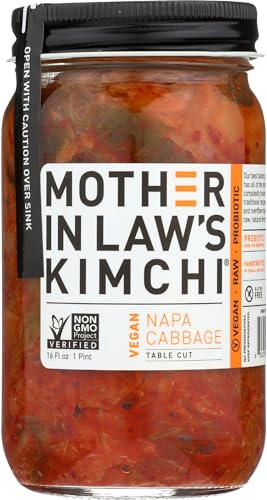
AUTHENTIC TABLE-CUT NAPA CABBAGE KIMCHI – Made with Napa cabbage and premium, seedless Korean gochugaru chile flakes, this is our family’s kimchi recipe adjusted for vegan diets.

AUTHENTIC WHOLE LEAF NAPA CABBAGE KIMCHI – Made with whole Napa cabbage leaves and premium, seedless Korean gochugaru chile flakes, this is our family’s kimchi recipe made the traditional way.
Final Thoughts
Japchae represents the beautiful harmony that Korean cuisine is known for—a perfect balance of textures, colors, and flavors that dance together on your plate.
Every strand of those springy glass noodles carries the essence of sesame, soy, and that hint of sweetness that makes this dish irresistible.
What I love most about japchae is its versatility—dress it up for special occasions or simplify it for a weeknight dinner.
It’s forgiving for beginners yet rewards those who take time with each ingredient.